What Are Chatbots Used For? Real Business Value in 2025
It’s no longer a question of whether you should use chatbots but how well you’re using them.
In 2025, chatbots will have evolved far beyond automated replies. They’re powering sales funnels, transforming customer support, and helping brands scale human interaction like never before.
So let’s break it down: What are chatbots used for? And why are they now essential in nearly every industry?
1. Chatbots Are Changing the Customer Experience Game
The most common use of chatbots today? Customer service.
Whether you’re asking about an order, troubleshooting an issue, or just trying to find the right product, chatbots are the new frontline.
Key benefits:
Always-on support, without breaks or time zone restrictions
Lightning-fast replies compared to traditional channels.
Reduced support costs by handling more queries automatically
Uniform, accurate answers every time
No wonder businesses are asking: “How do chatbots help in customer service?” The answer? They create faster, smoother, and more scalable interactions.
2. From FAQ Machines to Conversational AI
Early chatbots were searchable FAQs. But with AI and machine learning, they’ve become smarter, more adaptive, and more human-like in tone and response.
So when people ask, “Do chatbots use AI?” — the answer is increasingly yes.
Today’s top bots:
Understand natural language (NLP)
Improve through user interaction.
Adjust tone and phrasing in real time..
Anticipate what users need next.
This shift means chatbots aren’t just answering questions—they drive value. Think appointment scheduling, order tracking, lead qualification, and even product recommendations.
3. Chatbot vs Live Chat: What’s the Difference?
Searches for “chatbot vs live chat” are trending—and for good reason.
Here’s the difference:
Feature: Chatbot, Live Chat
Availability: Around the clock, Limited hours
Cost: Scales easily as you grow
Human touch, Simulated Real-time human
Speed: Instant replies vary by agent
Pro tip: The smartest approach combines both—let the bot start the conversation, and seamlessly transfer to a human when needed. That hybrid model is where satisfaction peaks.
4. Chatbots Drive Sales, Not Just Support
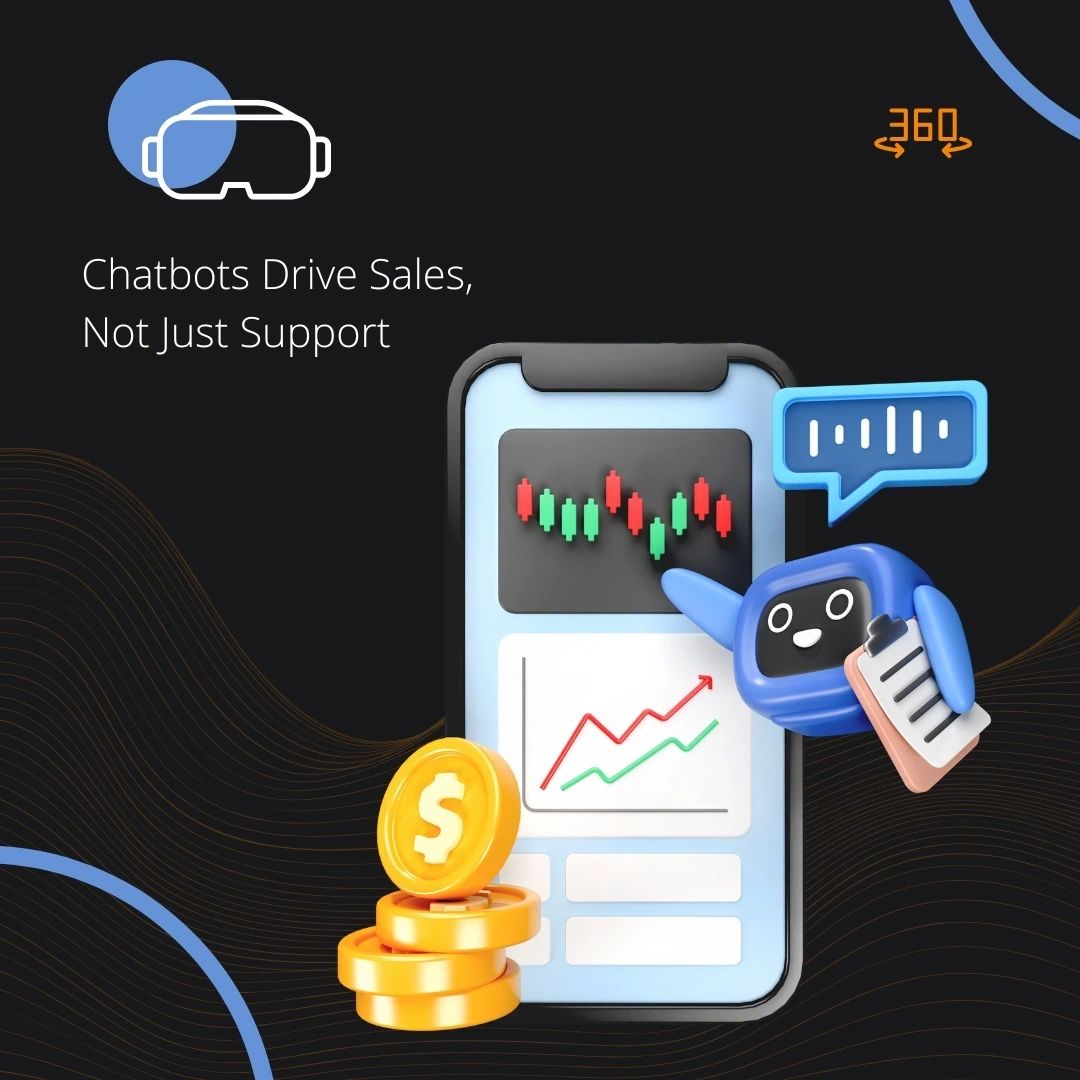
Businesses are waking up to a powerful truth: chatbots aren’t just a cost saver—they’re a revenue driver.
Use cases include:
Capturing and qualifying leads
Sending timely reminders for abandoned carts
Offering tailored product suggestions
Encouraging upsells and cross-sells
Imagine someone lands on your homepage. Instead of browsing blindly, a bot asks: “Need help finding the right fit?” Suddenly, that user’s journey becomes more focused—and more likely to convert.
5. Are Chatbots Effective? Here’s What the Data Says
If you’re wondering, “Are chatbots effective?”, the numbers speak for themselves:
Businesses see up to a 30% increase in engagement using conversational AI.
Cost per interaction drops by over 50% in many industries
It’s not just about automation—it’s about scaling meaningful conversations without scaling headcount.
6. Choosing the Right Chatbot Platform
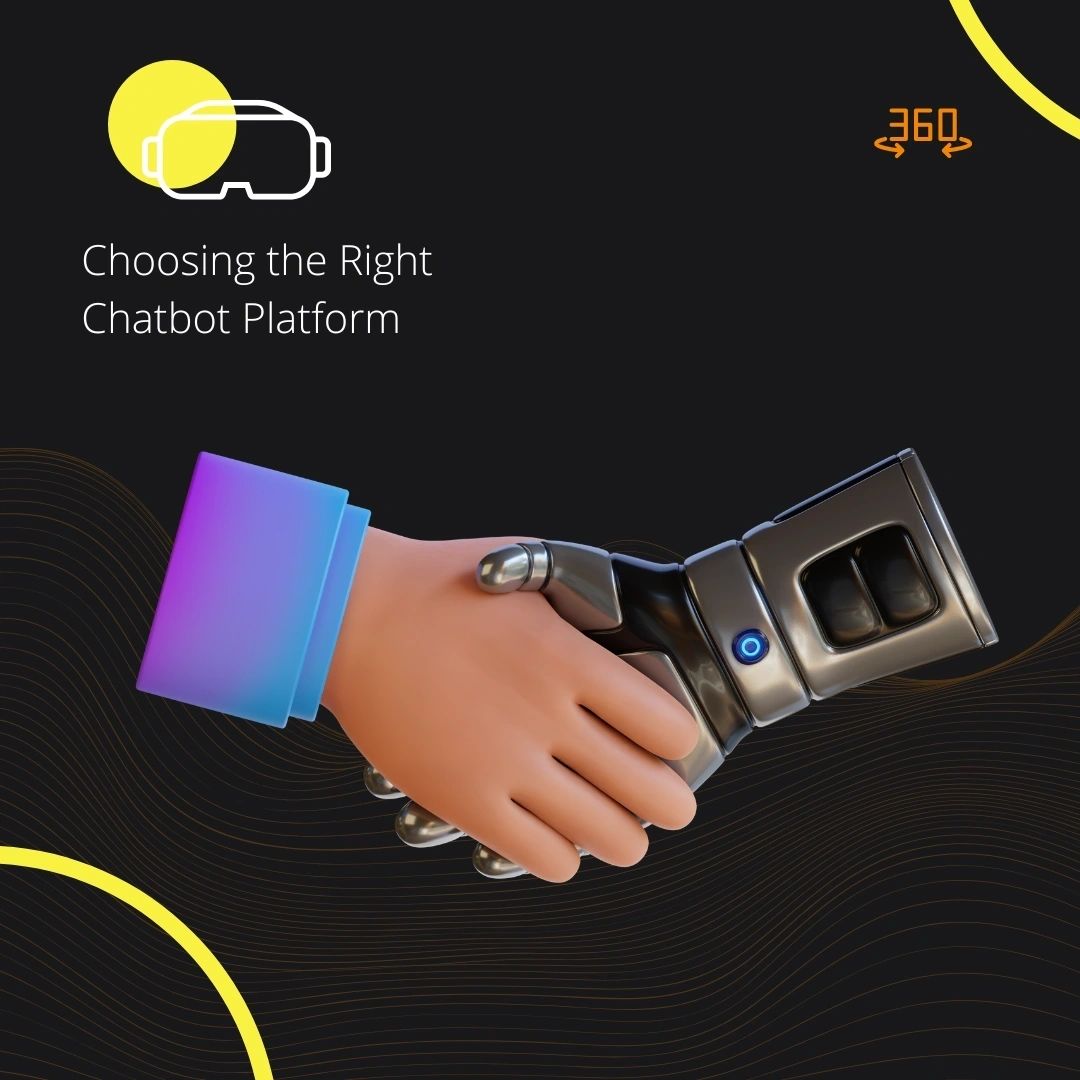
The phrase “best chatbot platforms for websites” is climbing in search volume, and it’s easy to see why.
Look for platforms that offer:
Seamless integrations (CRMs, helpdesks, ecommerce)
AI and natural language processing capabilities
Visual flow design tools
Data and conversation insights
Easy escalation to human agents
Top contenders include Intercom, Drift, Tidio, and GPT-powered custom solutions. But ultimately, the “best” platform is the one aligned with your objectives—and built to grow with your business.
Final Thought:
Chatbots Are Just Getting Started
From “What is a chatbot in simple words?” to “How do chatbots work?”—the curiosity around conversational tech is exploding.
And for good reason. Chatbots aren’t just answering questions. They’re redefining how we engage with customers, at scale, with empathy and intelligence.
In 2025 and beyond, expect chatbots to get even better: voice-enabled, multilingual, emotionally intelligent, and seamlessly integrated across channels.