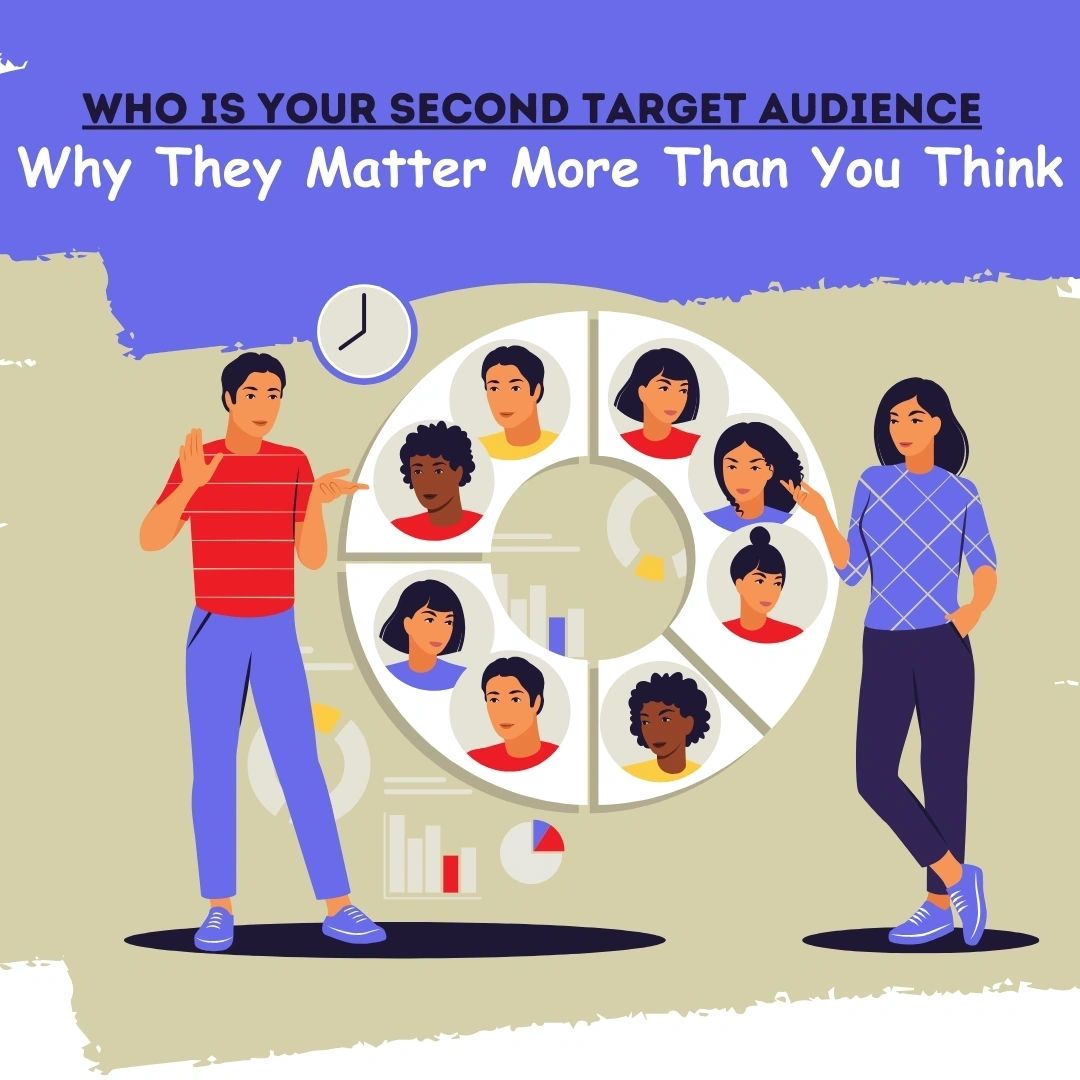
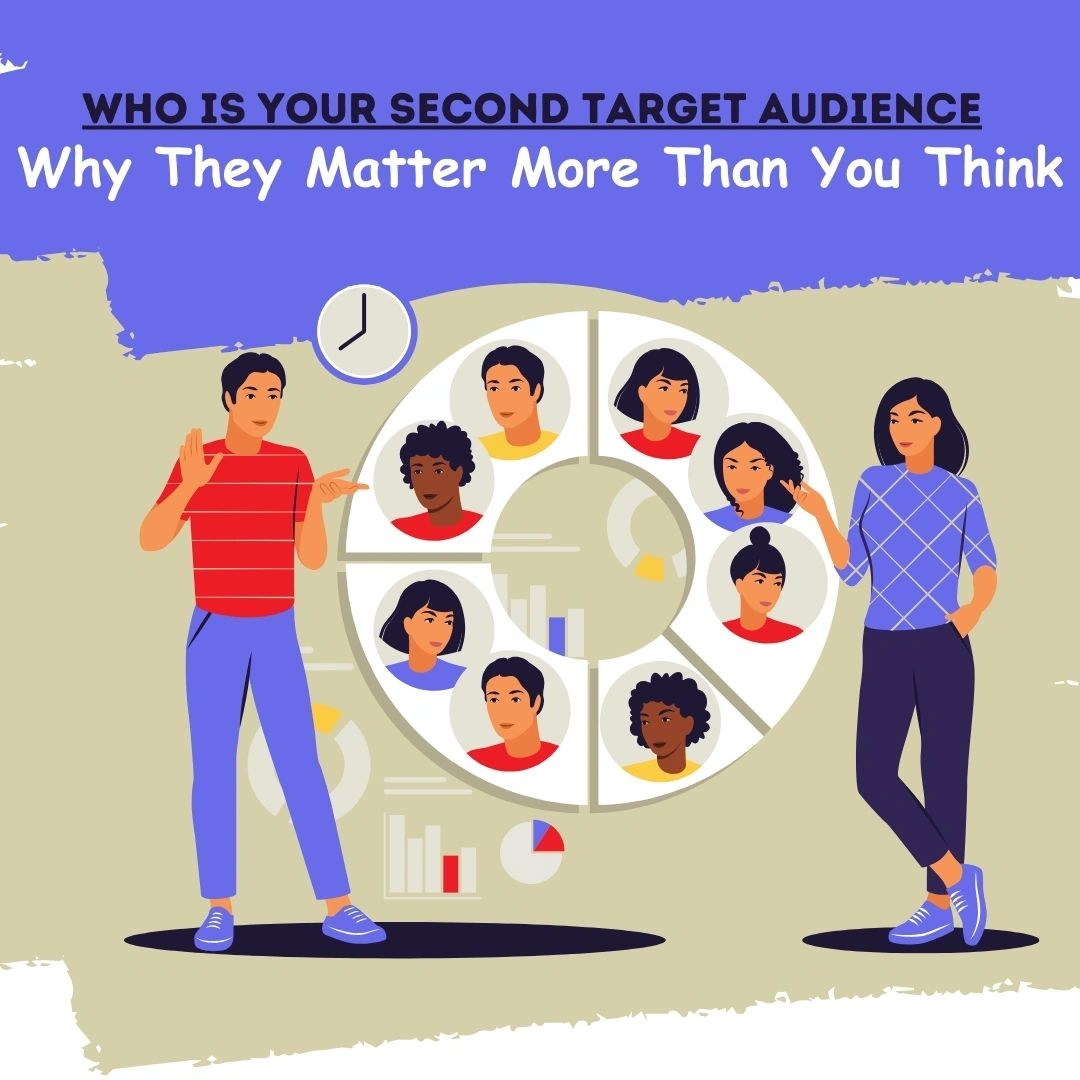
Your Target Audience Matters More Than You Think
When businesses consider target audiences, they usually zero in on the primary group: the loyal, high-converting customers who keep the lights on.
But what about the second target audience?
Your secondary audience may not be buying today, but they’re watching, learning, influencing, and deciding tomorrow’s trends. Ignoring them? That’s a missed opportunity.
Let’s break it down.
What Is a Second Target Audience?
Your second target audience includes people who may not be your core customer, yet. They might:
Be unfamiliar with your brand or are just starting to explore your space.
Sit just outside your main demographic.
Influence purchase decisions (think: partners, parents, peers)
Be future buyers at an earlier stage of the journey.
They’re often less committed, more curious, and still forming opinions.
Why You Should Care
While your primary audience drives immediate conversions, your secondary audience powers brand reach, longevity, and market expansion.
Here’s why they matter:

They boost brand awareness by talking, sharing, or engaging with your content.
They evolve into buyers over time as their needs change.
They shape the decisions of your core audience, especially in B2B or multi-person purchasing.
They reveal shifting preferences and untapped opportunities that can guide your growth strategy.
In short, they’re your pipeline for future growth.
How to Identify Your Second Audience
Ask yourself:
Who’s engaging with us but not converting?
Who follows us on social media but hasn’t purchased?
Who influences our core buyer (family, peers, reviewers)?
Who could unexpectedly use our product?
Use analytics, audience insights, and customer surveys to spot these patterns.
Marketing to the Second Audience: Smart, Subtle, Strategic
You don’t need a separate marketing strategy—just a flexible one.
Here’s how:
1. Create Exploratory Content
Think educational guides, industry overviews, “what is” explainers. These draw in newcomers still figuring things out.
2. Address Their Stage of Awareness
They might not know they have a problem yet—so don’t sell. Instead, inform, entertain, or inspire.
3. Speak Their Language
Avoid jargon and niche references. Make your messaging accessible and inclusive.
4. Use Soft Conversion Tactics
Free tools, email opt-ins, and interactive content work better than hard CTAs with this group.
5. Leverage Influencers & Word of Mouth
Secondary audiences often rely on others to validate their choices. Use UGC, testimonials, and influencer partnerships to build trust.
Final Thought:

Your Second Audience Is Your Secret Advantage
Winning your primary market is just the beginning. If you want to grow sustainably, innovate faster, and future-proof your brand, you need to start paying attention to your second audience.
They may not be your now, but they’re absolutely part of your next.