
Mastering Customer Journey Mapping for Growth
In today’s competitive business environment, understanding the customer’s experience from initial contact with your brand to post-purchase interactions is crucial for fostering loyalty and improving satisfaction. One of the most effective tools for achieving this is customer journey mapping. It allows businesses to visualize and analyze customers’ paths during their engagement with the brand. This article will cover everything you need to know about customer journey mapping, including when to use it, how to facilitate the process, its role in B2B scenarios, and how AI is shaping the future of customer journey mapping.
What Is Customer Journey Mapping?
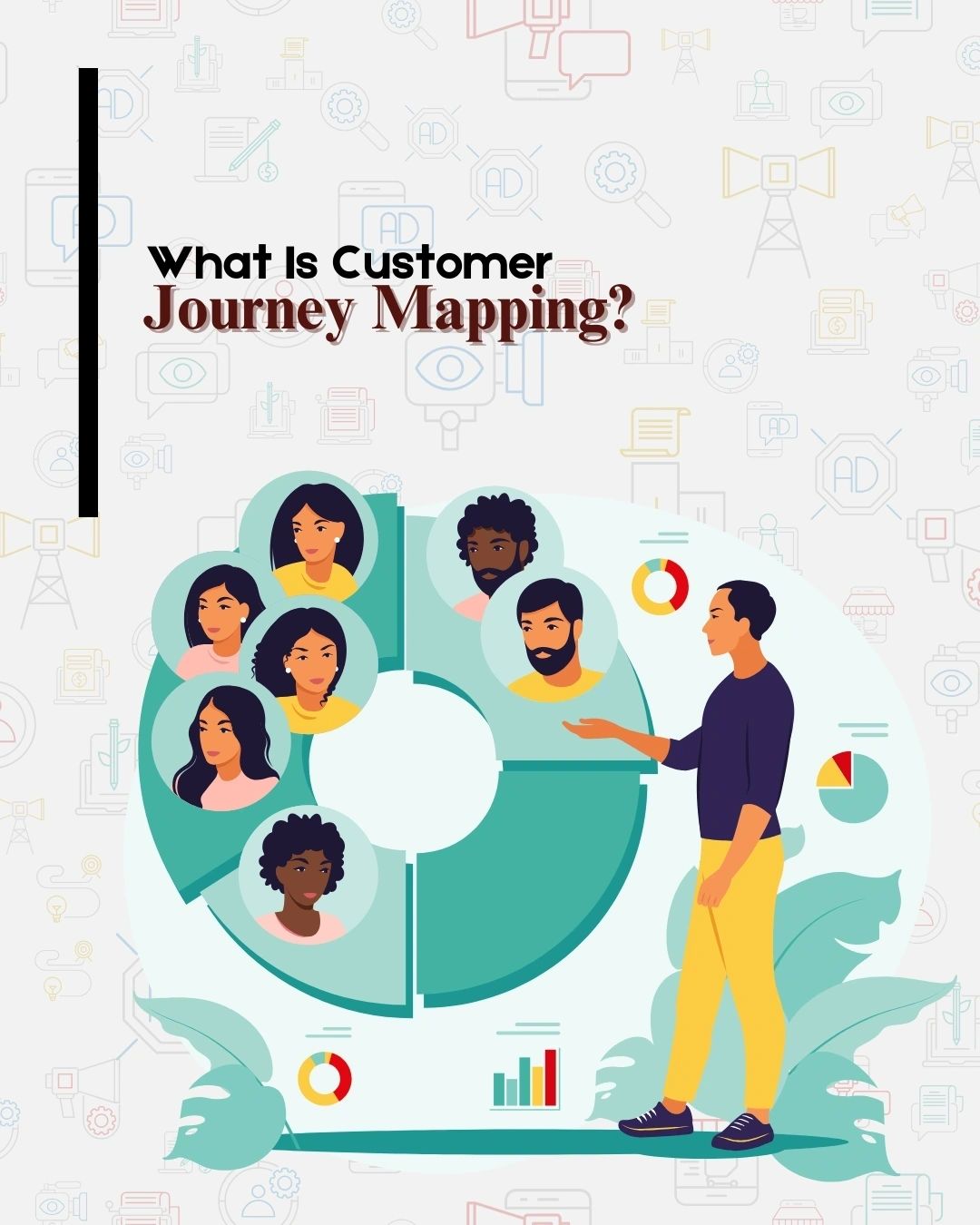
Customer journey mapping is creating a visual representation of the steps a customer takes when interacting with your company. This includes the entire lifecycle of their experience—from awareness to purchase and beyond, including post-purchase support. The map outlines key stages in the customer journey, along with the customer’s goals, needs, emotions, and interactions at each point.
It can take many forms, such as flowcharts, diagrams, or infographics, but the goal is always the same: to see the journey from the customer’s perspective and identify pain points, opportunities for improvement, and ways to enhance the overall experience.
When to Use Customer Journey Mapping
Customer journey mapping can be valuable at various stages of a business’s development. Here are key moments when it’s most effective:
1. Launching a New Product or Service: Before launching a new offering, understanding how customers will interact with it can help streamline the introduction and reduce friction in adoption.
2. Improving Customer Experience: If you receive feedback that indicates frustration at specific touchpoints, mapping out the journey can help pinpoint the areas that need attention.
3. Optimizing Marketing Strategies: Understanding the path customers take to purchase helps optimize content, outreach, and conversion strategies.
4. Enhancing Customer Support: Mapping can uncover common issues customers face after purchasing, allowing you to enhance support services.
What Is a Customer Journey Mapping Example?
Let’s look at a practical example. Imagine an e-commerce company looking to improve its customer experience. By creating a customer journey map, they identify five key stages:
1. Awareness: A potential customer discovers the brand through a social media ad.
2. Consideration: The customer browses the website, looks at product reviews, and adds an item to the cart.
3. Decision: The customer hesitates and leaves the cart abandoned.
4. Purchase: After receiving a retargeting email with a discount code, the customer completes the purchase.
5. Post-Purchase: The customer receives the product, contacts support with a question about installation, and leaves a review.
By mapping this journey, the e-commerce company can identify where customers might be hesitating (in this case, cart abandonment) and develop strategies (like retargeting emails) to address these issues.
How to Facilitate Customer Journey Mapping
Creating a customer journey map requires collaboration, research, and a deep understanding of your customers. Here’s a step-by-step guide to facilitating the process:
1. Gather Customer Data:

Start by collecting data from multiple sources, including customer surveys, interviews, and website analytics. This will help you understand the paths that customers are taking.
2. Identify Key Personas: Not all customers will have the same journey. Develop customer personas that represent your target groups, focusing on their behaviors, goals, and pain points.
3. Outline the Stages:
Break down the customer’s experience into distinct stages such as awareness, consideration, purchase, and post-purchase. For each stage, identify customer actions, goals, emotions, and potential barriers.
4. Map Touchpoints: Identify every touchpoint where the customer interacts with your brand, whether it’s a social media ad, a call to customer support, or an in-store visit.
5. Analyze and Improve:

Once you have your map, analyze it for gaps or friction points. Use this information to improve specific touchpoints and create a more cohesive experience.
Customer Journey Mapping for B2B
While customer journey mapping is often associated with B2C businesses, it’s equally critical in B2B contexts. Customer journey mapping for B2B can be more complex due to longer sales cycles, multiple decision-makers, and high-touch interactions. In a B2B setting, mapping the journey helps you understand not only the individual’s path but also the broader organization’s buying process. By doing so, businesses can better align sales, marketing, and customer success teams to deliver consistent messaging and seamless experiences across the board.
For example, in a B2B scenario, the journey might start with a decision-maker researching solutions, proceed to a demo or consultation, and involve multiple approvals before a final purchase decision is made. Mapping this complex journey can highlight areas where communication needs to be improved, or where additional support might be required to move prospects through the sales funnel more efficiently.
Customer Journey Mapping AI
With advancements in AI, customer journey mapping is becoming even more sophisticated. Customer journey mapping AI involves using machine learning algorithms to analyze vast amounts of data from various sources—such as website interactions, purchase history, and social media engagement—to predict and visualize customer behavior patterns.
AI-driven journey mapping allows businesses to automate the process of identifying key touchpoints and spotting friction points. It also enables real-time adjustments to customer experiences by providing personalized recommendations or interventions based on individual behavior. For example, an AI system could detect when a customer is likely to abandon their cart and automatically send a discount code or prompt live customer support.
Why Customer Journey Mapping Is Important
Ultimately, customer journey mapping is important because it puts the customer at the center of business strategies. By understanding the journey, companies can align their offerings with customer expectations, reduce friction, and create experiences that drive loyalty and satisfaction. It enables businesses to see the gaps in their processes and take proactive steps to bridge them, leading to better customer retention and business growth.
In conclusion, customer journey mapping is a powerful tool for businesses looking to improve their customer experience. Whether you’re in B2C or B2B, using AI or traditional methods, a well-executed journey map can provide invaluable insights that translate into real-world improvements in customer satisfaction and business success.