
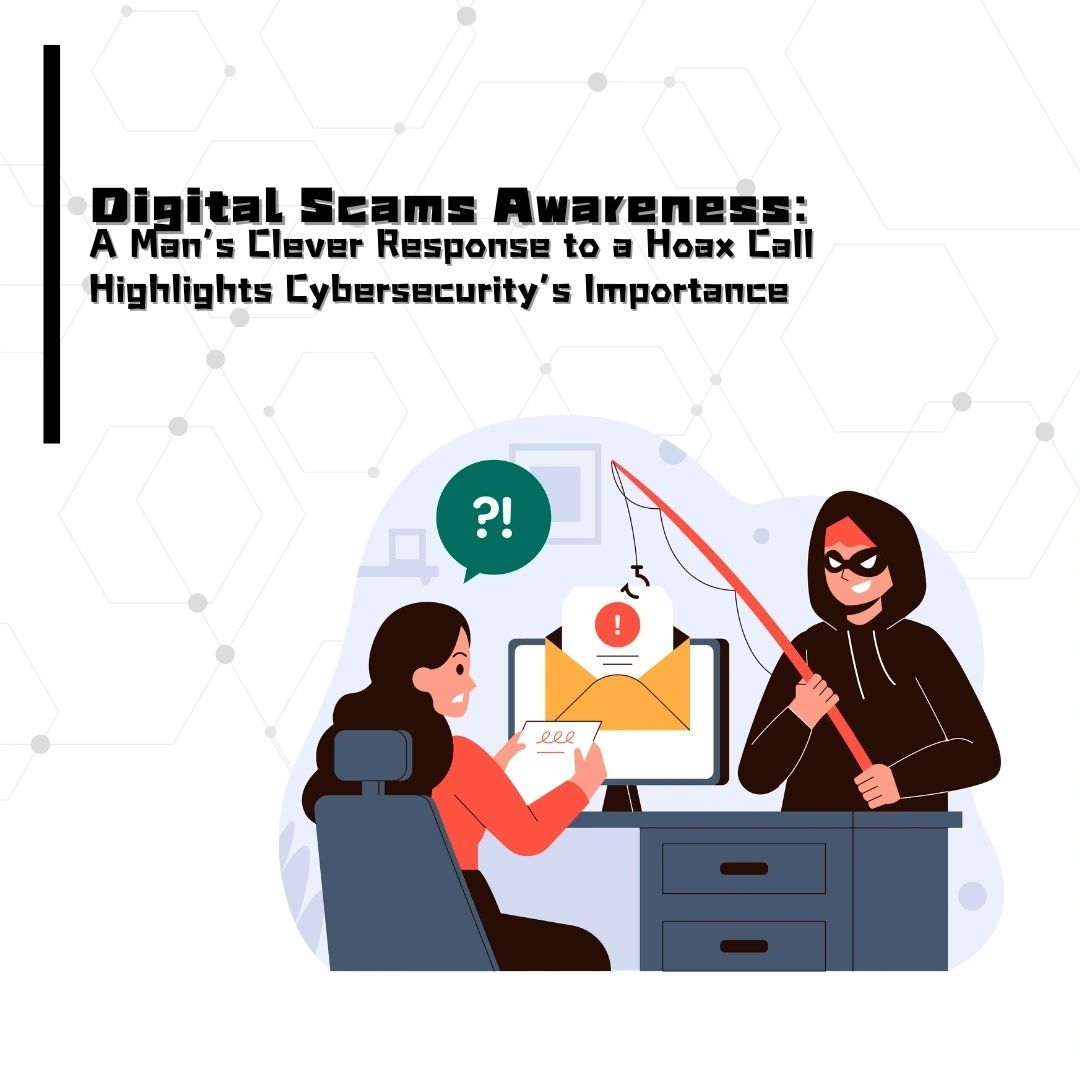
Man’s Clever Response Highlights Cybersecurity Awareness
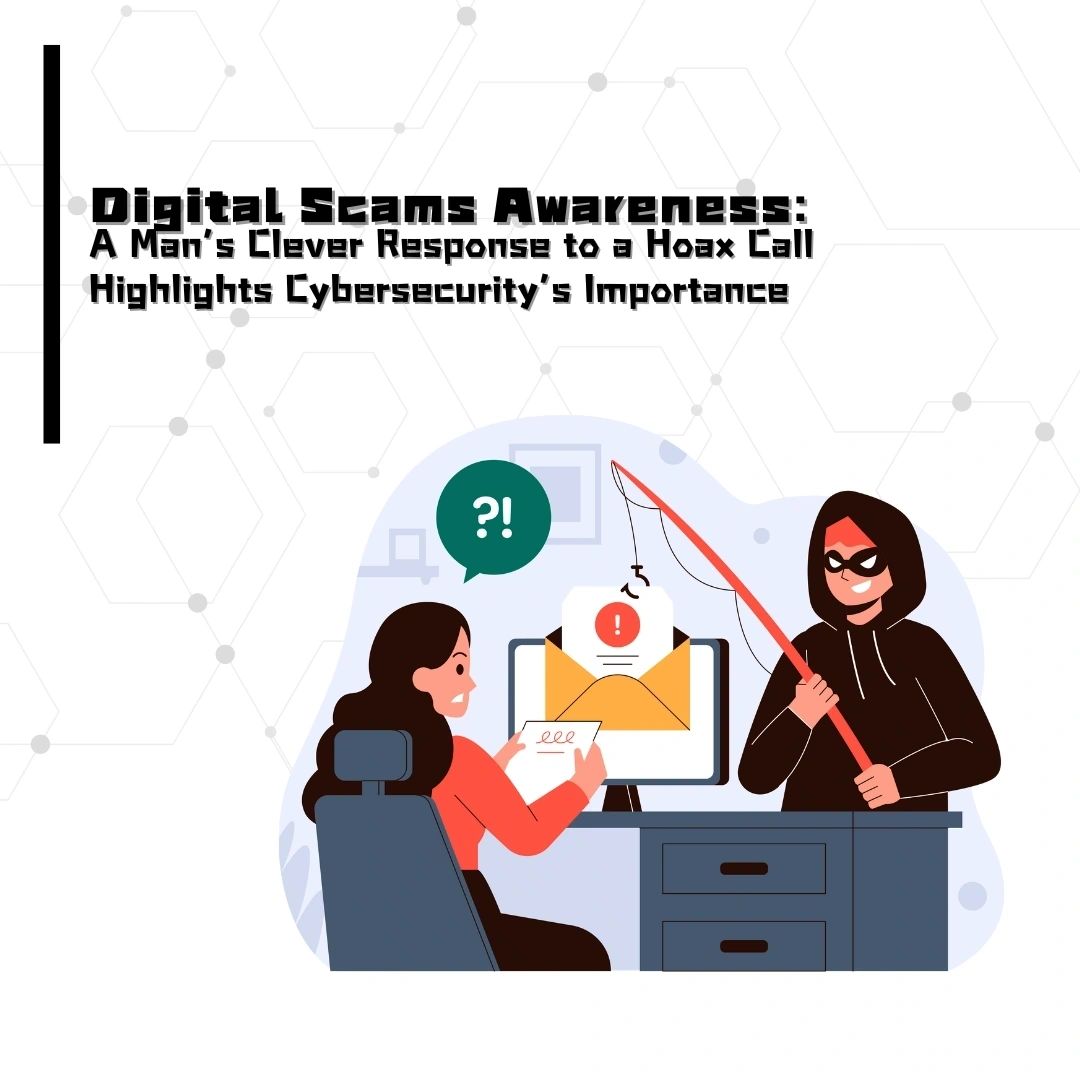
In today’s interconnected world, digital scams are becoming increasingly sophisticated, targeting individuals and businesses alike. Scammers exploit fear, urgency, and human vulnerability, making it crucial for everyone to stay vigilant. Recently, one man’s witty and clever response to a scammer during a hoax call went viral, highlighting the importance of cybersecurity awareness and the need to outsmart fraudsters.
The Incident That Captured Attention
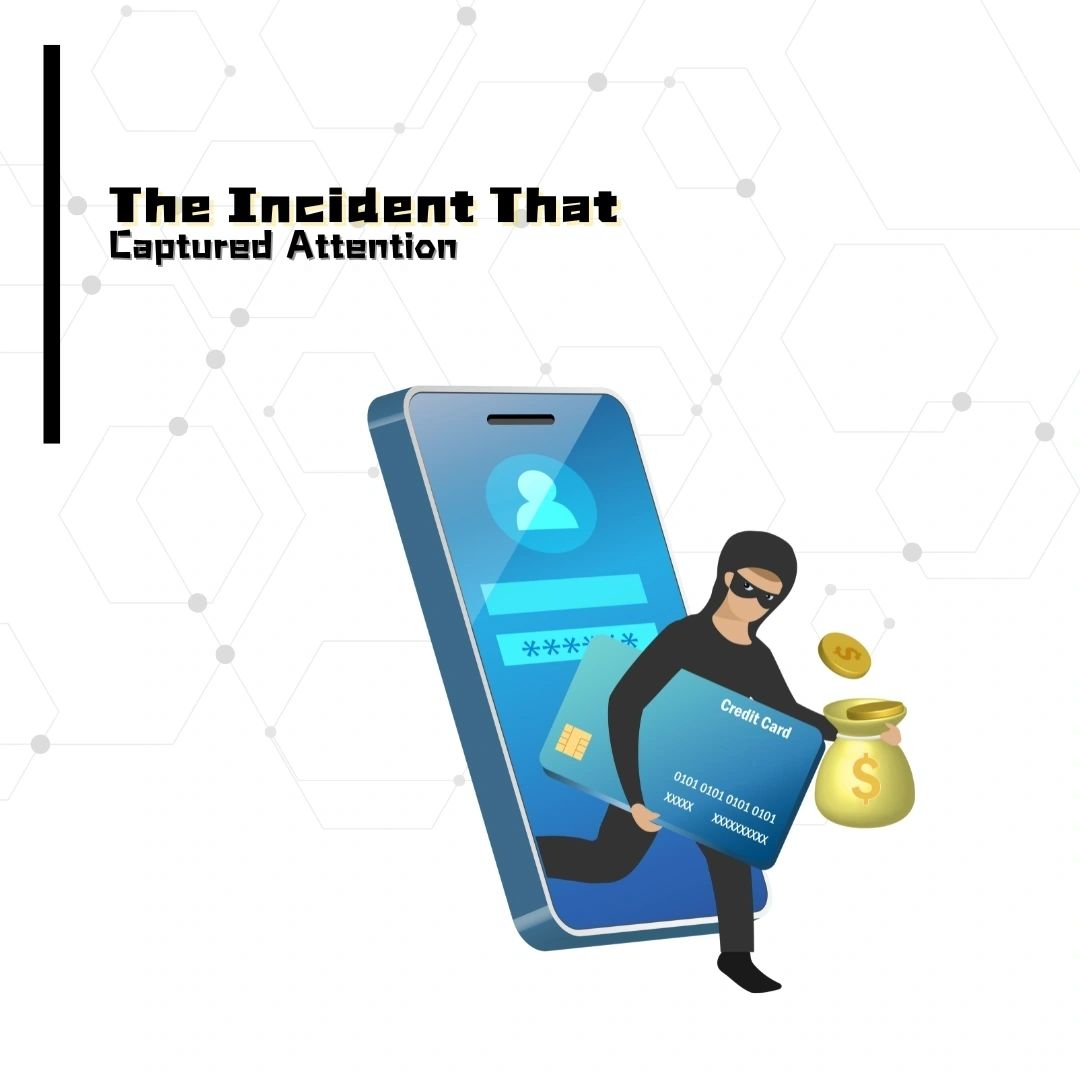
The story begins with a hoax call that seemed legitimate at first glance. The scammer, claiming to be a representative from a well-known tech company, attempted to persuade the man to grant remote access to his computer under the guise of fixing a supposed “security breach.” While many fall victim to such ploys, this individual decided to turn the tables.
Instead of panicking, he calmly engaged the scammer in a conversation, feigning ignorance and asking seemingly innocent questions that gradually led the scammer to reveal inconsistencies in their narrative. By the end of the call, the scammer was caught in a web of their own contradictions, ultimately disconnecting the call in frustration.
This clever response saved the man from potential harm and highlighted a valuable lesson: staying calm and informed can be your best defense against cybercriminals.
The Rising Threat
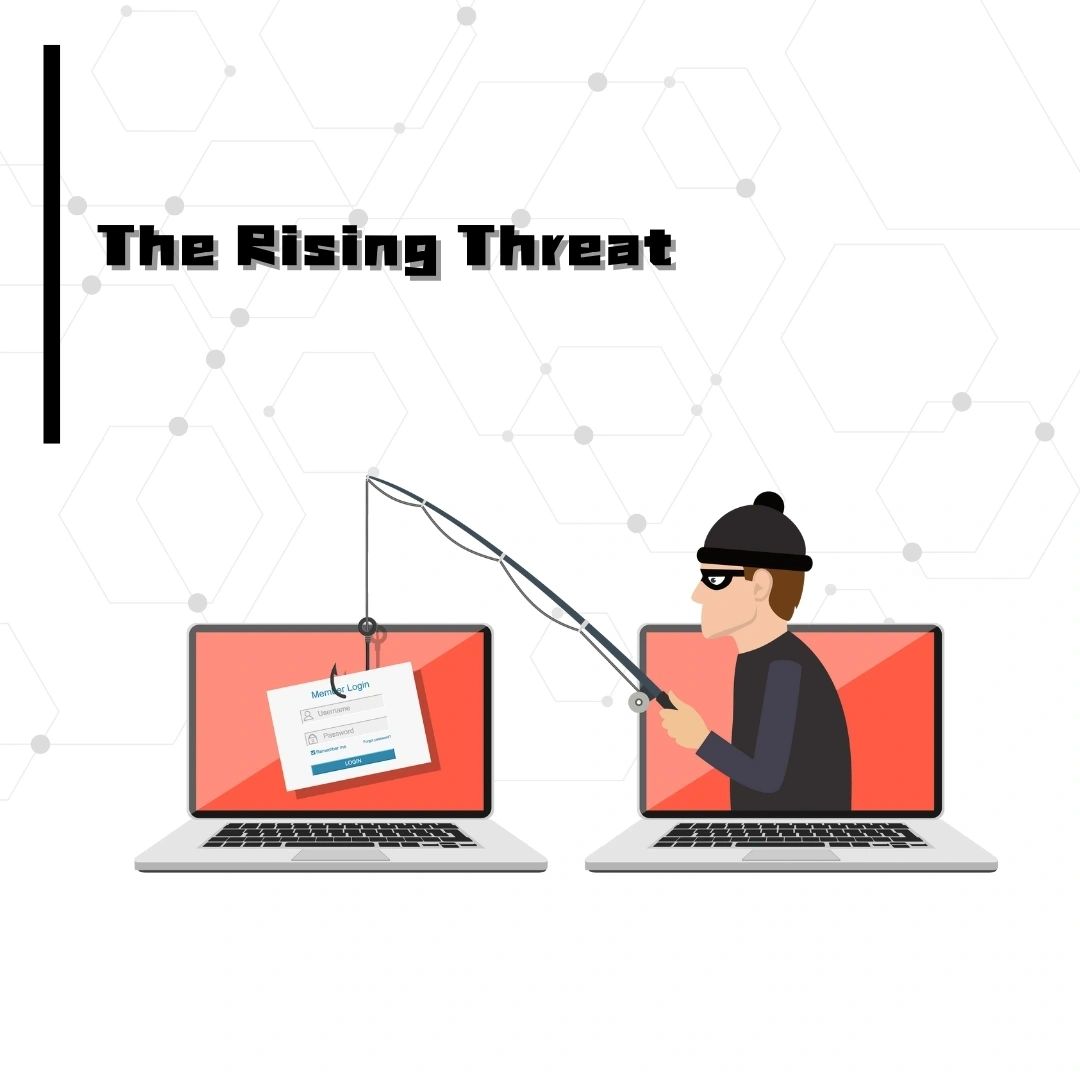
Digital scams are not new, but their tactics have evolved. From phishing emails and text messages to sophisticated phone scams, fraudsters use every available medium to extract sensitive information or money from unsuspecting victims.
Common scams include:
• Tech Support Scams:

Posing as legitimate technical support representatives, scammers trick victims into granting remote access to their devices.
• Phishing Emails: Fraudulent messages that mimic trusted entities to steal login credentials or financial information.
• Fake Job Offers:
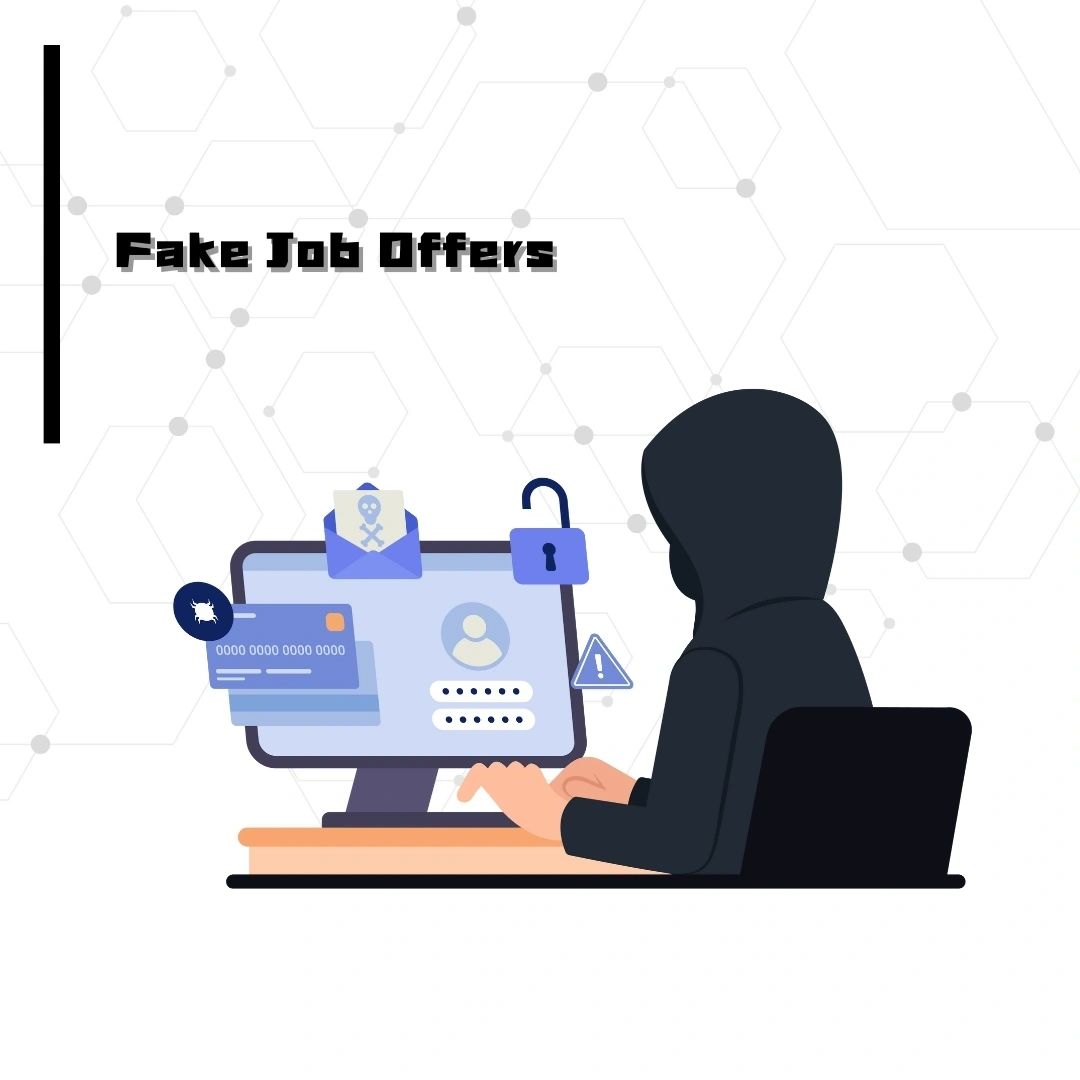
Scammers lure victims with high-paying job opportunities, often requiring an upfront payment for “training” or “equipment.”
• Social Engineering Attacks: Using personal information from social media or other sources to manipulate individuals into divulging private details.
According to a recent report, global losses from digital scams exceeded $10 billion in 2023, emphasizing the urgent need for public awareness and robust cybersecurity measures.
Lessons Learned: Tips to Outsmart Scammers
The man’s witty approach offers several key takeaways for dealing with digital scams:
1. Stay Calm and Question Everything:
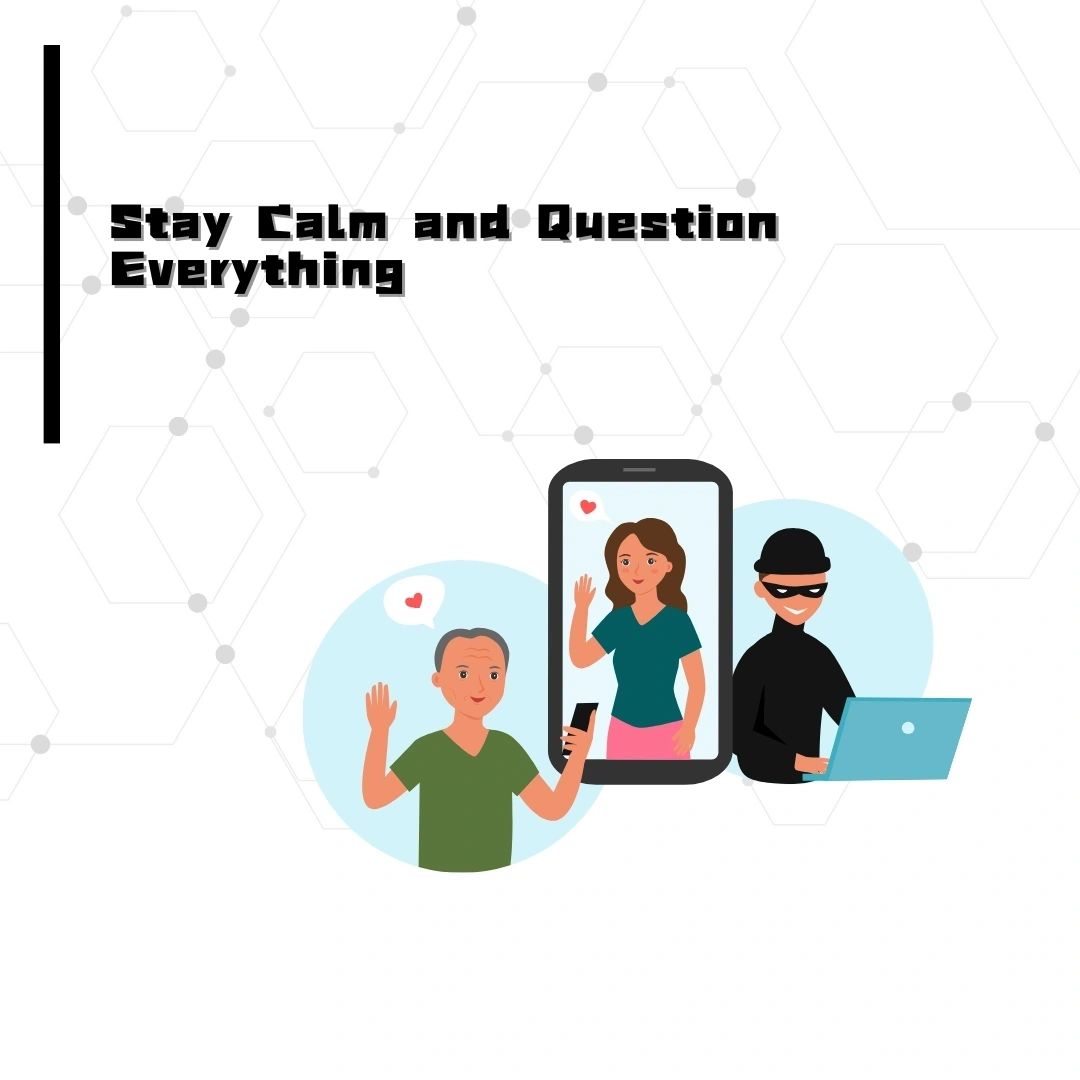
Scammers rely on fear and urgency to cloud judgment. Taking a moment to think critically and ask questions can expose their lies.
2. Verify Identities: If someone claims to represent a company, hang up and contact the organization directly using official channels to confirm the legitimacy of the call.
3. Avoid Sharing Personal Information:
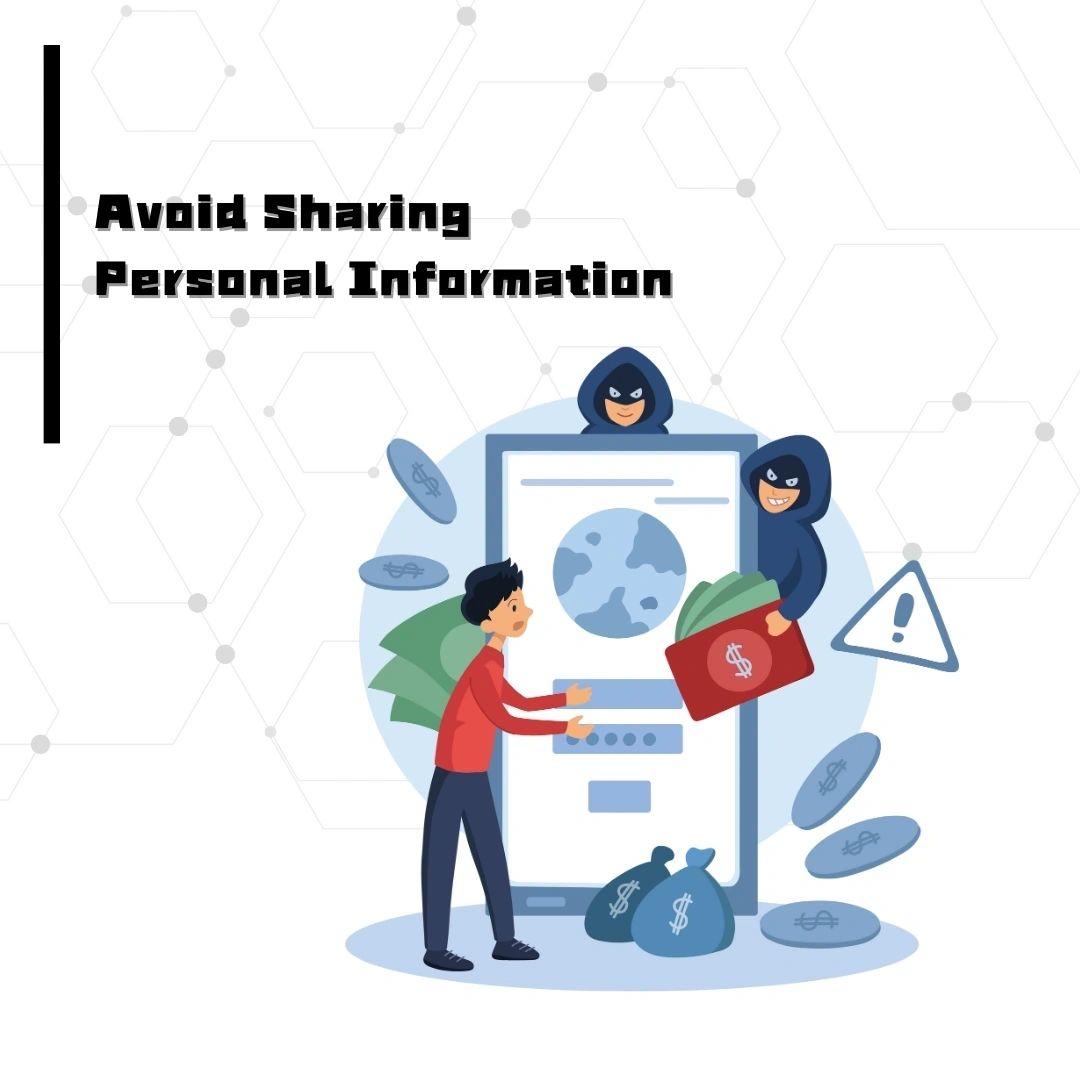
Never disclose sensitive information, such as passwords, Social Security numbers, or banking details, over the phone or email unless you are certain of the recipient’s identity.
4. Educate Yourself and Others: Familiarize yourself with common scam tactics and share this knowledge with friends and family, especially those who may be more vulnerable, like elderly relatives.
5. Enable Two-Factor Authentication (2FA):

Adding an extra layer of security to your accounts can prevent unauthorized access even if login credentials are compromised.
6. Report Scams: Inform authorities or consumer protection agencies about attempted scams to help protect others.
The Broader Importance of Cybersecurity Awareness
This incident underscores a larger issue: the importance of cultivating a culture of cybersecurity awareness. While governments and organizations work to combat cybercrime, individuals must also play an active role in safeguarding their personal and professional digital environments.
Public education campaigns, workshops, and school programs can equip individuals with the tools and knowledge to recognize and avoid scams. Employers can also contribute by implementing regular training sessions and phishing simulations for their staff.
Moreover, technology companies must continue developing advanced security measures, such as AI-driven fraud detection and user-friendly privacy features, to keep up with cybercriminals.
A Call to Action

The viral story of a man’s clever response to a scammer is more than just a moment of entertainment—it’s a wake-up call for everyone. In a world where digital threats are ever-present, awareness and vigilance are our greatest allies. By staying informed, questioning suspicious communications, and sharing knowledge, we can collectively outsmart the scammers and build a safer digital future.
Let this story inspire you to stay one step ahead of cybercriminals and encourage others to do the same. Cybersecurity isn’t just a technical field; it’s a shared responsibility that starts with you.