Computer Programmer vs Software Developer: Differences & Careers
In the world of technology, the terms computer programmer and software developer are often used interchangeably, but they refer to distinct roles with varying scopes of responsibility and expertise. Understanding these differences can help individuals choose the right career path, especially if they are interested in working in the tech industry.
Who Is a Computer Programmer?
A computer programmer’s job is to write, test, and manage the code that powers software applications, providing the instructions for computers to perform specific tasks. Programmers use various languages like Python, Java, and C++, concentrating primarily on the technical elements of software development, such as coding and troubleshooting.
Who Is a Software Developer?
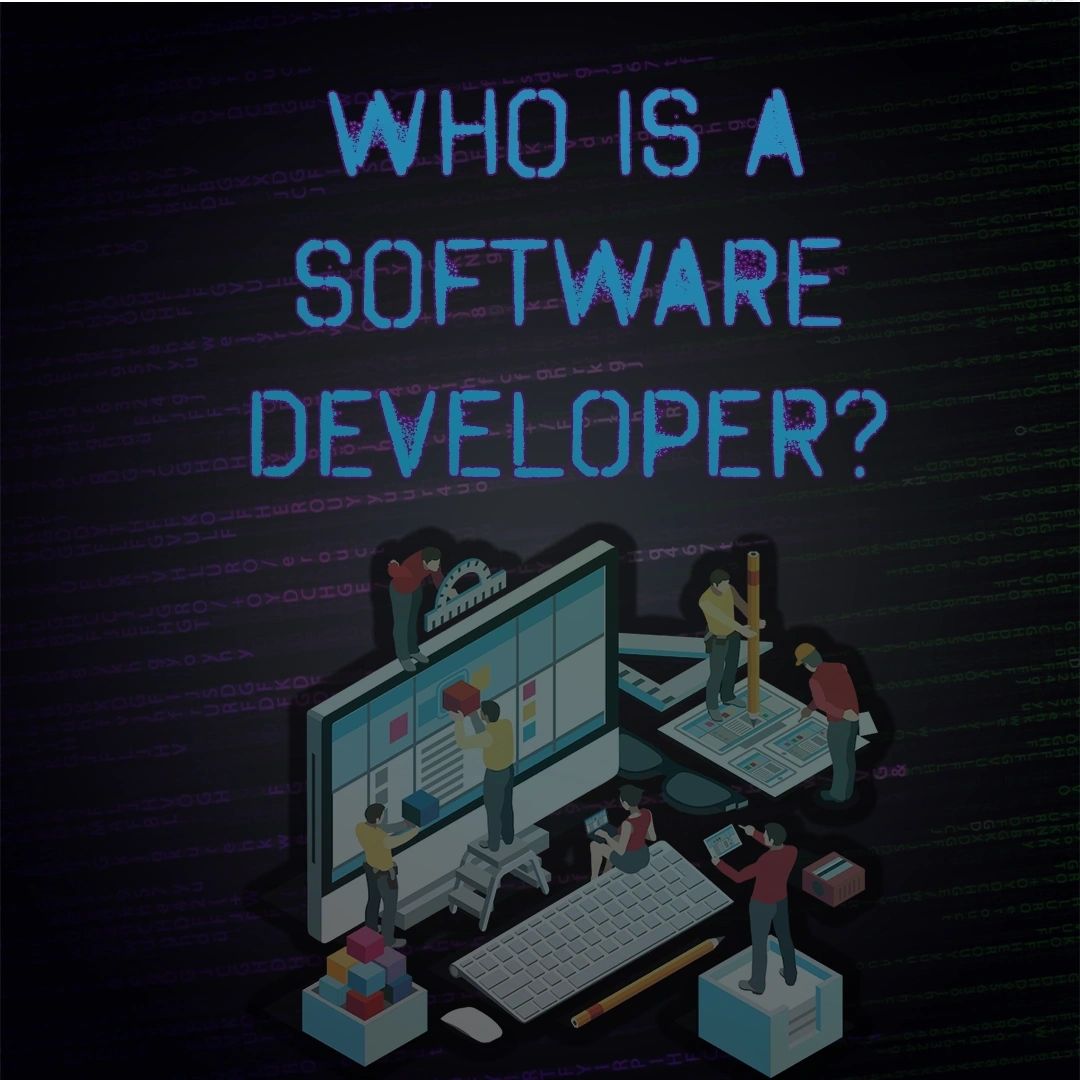
In contrast, a software developer handles a wider range of responsibilities. Developers do more than just code; they are involved in the design, execution, and management of software applications. They are involved in the overall process of software creation, from conceptualization to deployment. While a developer might also engage in coding like a programmer, their responsibilities include more strategic decision-making regarding software design and architecture.
Computer Programmer vs Computer Scientist
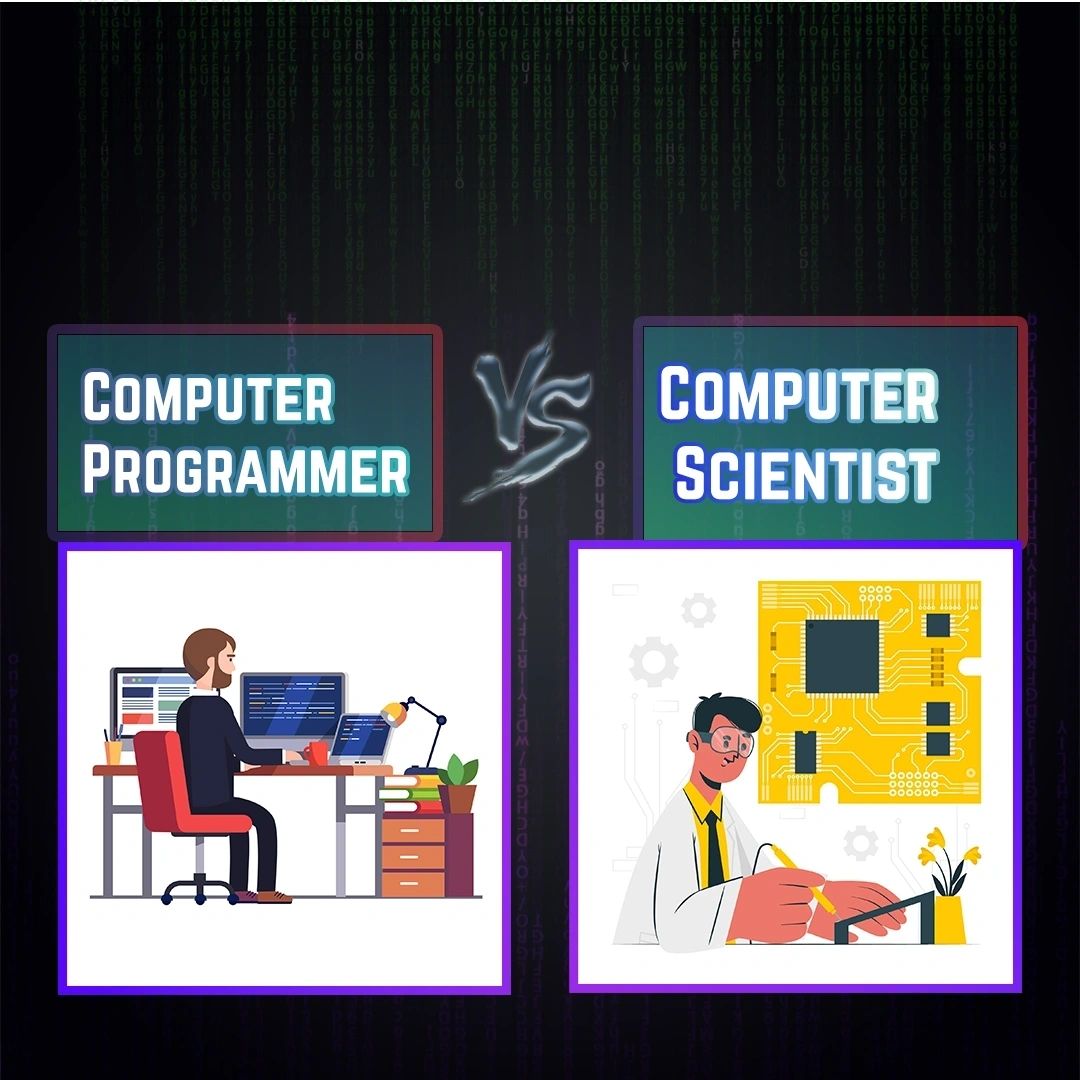
Many people confuse computer programmers with computer scientists, but these are two distinct roles. Computer scientists tend to focus more on research, working to create new algorithms, computing theories, and technologies. They typically have advanced education, such as a master’s or PhD, and their work often revolves around innovations in computing, such as artificial intelligence or cryptography. Programmers apply the theories that computer scientists develop, writing code to bring those innovations into practical applications.
Computer Programmer vs Web Developer
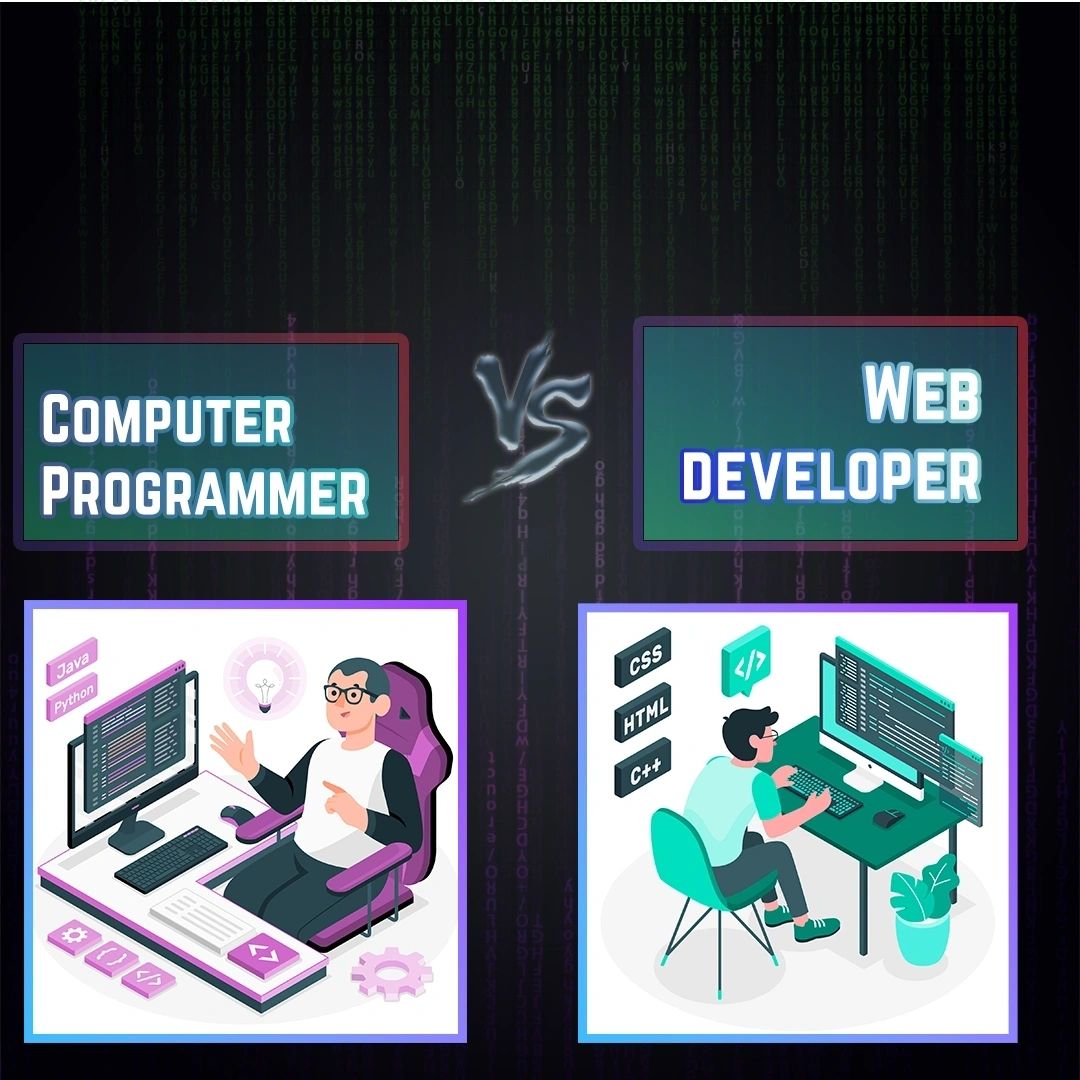
A web developer specializes in creating websites and web applications as part of the software development field. While web developers may also write code, they focus on the front-end (the visual part users interact with) and back-end (the server-side logic) of websites. Computer programmers, in contrast, may work on a wider range of applications, from mobile apps to desktop software. Web developers typically work with languages like HTML, CSS, and JavaScript, while programmers may use a broader range of languages depending on the project.
Computer Programmer and Education
Although education is beneficial in this field, a formal degree is not always necessary to become a computer programmer. Many programmers start their careers with a bachelor’s degree in computer science or a related field, but others learn through coding boot camps, online courses, or self-study. With technology advancing swiftly, hands-on skills often matter more than formal education. Computer programming internships offer vital hands-on experience, and searching for “computer programming internships nearby” can help job seekers find worthwhile local positions.
Computer Programmer Without a Degree
Many wonder if it’s possible to become a computer programmer without a degree, and the answer is yes. In today’s tech-driven job market, many companies prioritize skills over formal education. Aspiring programmers can learn independently by using free or paid online resources, attending coding boot camps, or practicing by working on open-source projects. Several successful programmers have proven that a degree is not a mandatory requirement, though it can help open doors to more competitive opportunities.
Computer Programmer Jobs Without a Degree
Landing computer programmer jobs without a degree are becoming increasingly common, especially with the rise of remote and freelance work. Platforms like Upwork, Freelancer, and Fiverr allow programmers to find jobs based on their skills rather than their academic background. Moreover, some tech companies have begun removing degree requirements from job postings altogether, focusing more on coding assessments and practical problem-solving during the hiring process.
Computer Programmer for Skills
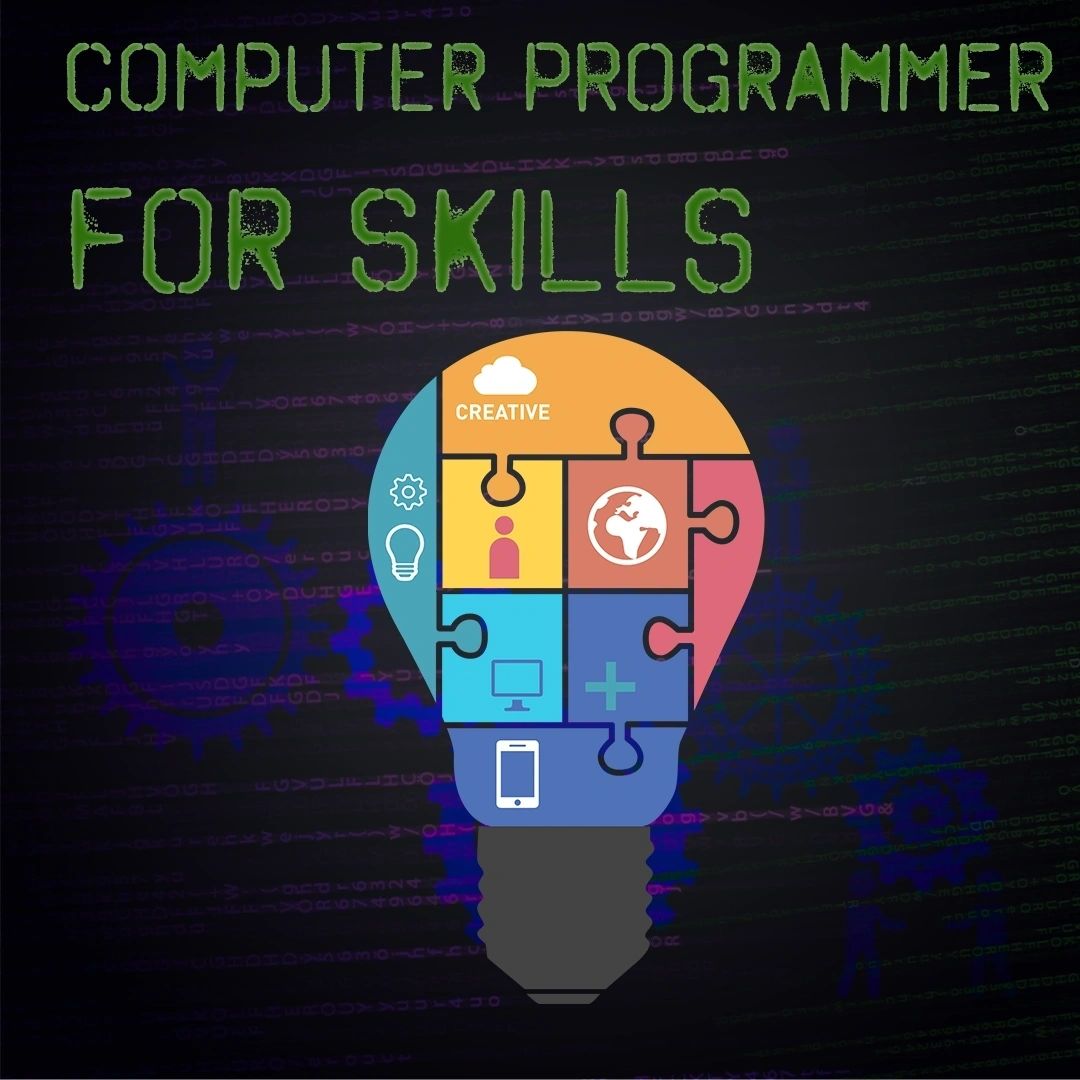
A computer programmer’s most important asset is their skill set. Proficiency in multiple programming languages, strong problem-solving skills, and meticulous attention to detail are essential. Employers often look for expertise in languages like Java, Python, and SQL, as well as a solid grasp of algorithms and data structures, which are vital for acing technical interviews.
Computer Programmer for Hire
Businesses often look to hire computer programmers to build or maintain software systems. Whether for app development, backend programming, or system automation, companies need skilled professionals to bring their ideas to life. Companies can hire programmers either as full-time employees, freelancers, or contractors, depending on the project’s needs.
Computer Programmer vs Analyst
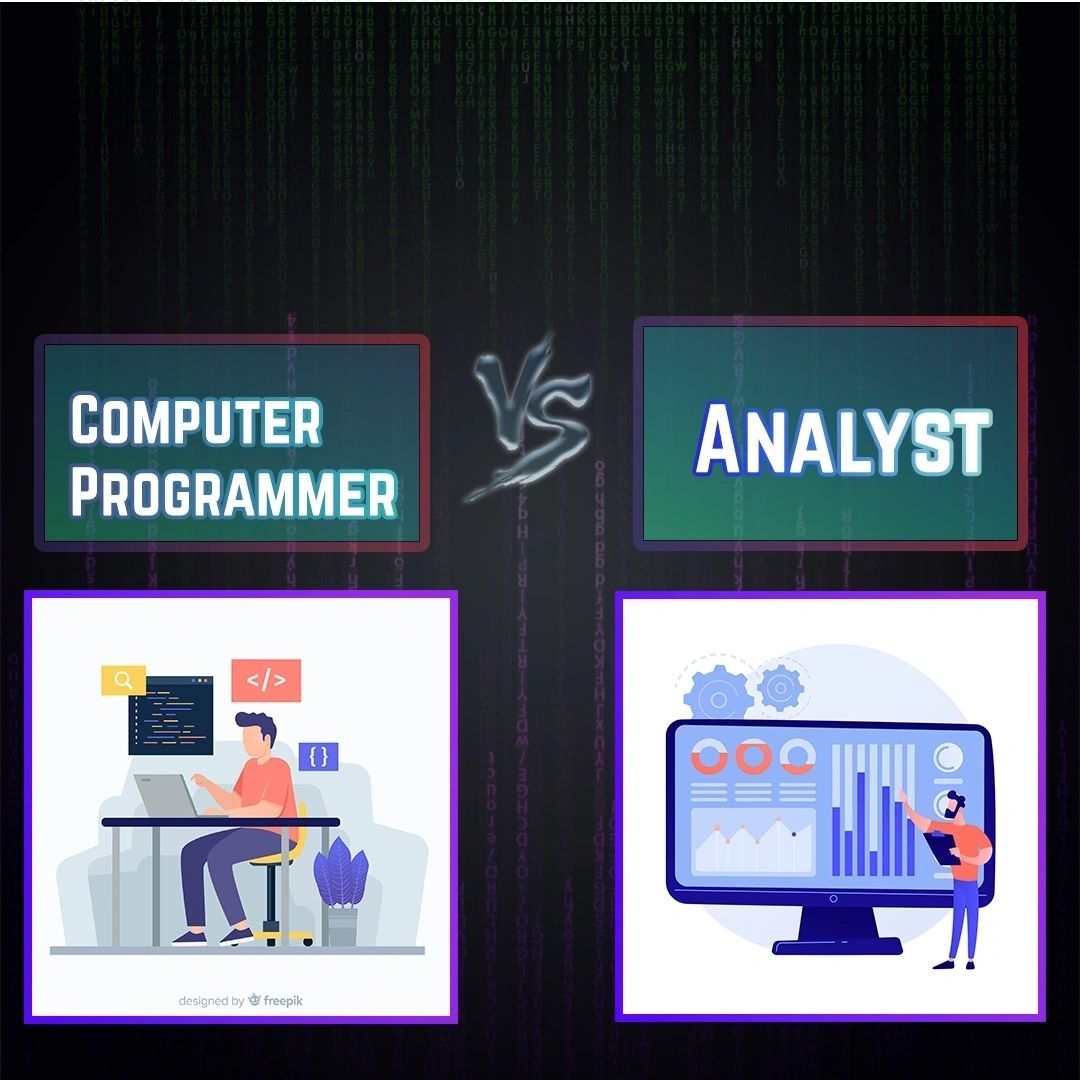
Another common differentiation is between a computer programmer and a systems analyst. A systems analyst evaluates business needs and develops designs and strategies to fulfill those needs. They serve as a link between the technical team and the business, ensuring the final product meets user expectations. In contrast, computer programmers focus on the technical implementation of the systems that analysts create.
Why Become a Computer Programmer?
Pursuing a career as a computer programmer provides a fulfilling path with plenty of opportunities for advancement. The demand for skilled programmers continues to rise as technology becomes increasingly integral to every aspect of business and daily life. It’s a career that offers flexibility, problem-solving challenges, and the potential for lucrative salaries.
What Is a Computer Programmer’s Salary?
Computer programmer salaries vary depending on experience, location, and the type of industry. In the U.S., the average salary for a computer programmer ranges from $65,000 to $115,000 annually, with more experienced programmers earning even higher. Freelance programmers often set their rates by the hour, which can vary from $25 to more than $100, depending on the project’s intricacy.
How to Become a Computer Programmer?
To become a computer programmer, mastering coding is essential. Whether through a traditional degree, coding boot camp, or self-study, aspiring programmers should start by mastering at least one programming language. Building a portfolio of projects, contributing to open-source platforms, and gaining internship experience can also help launch a career in this field.
In conclusion, whether you choose to pursue a career as a computer programmer, software developer, or web developer, the most important factors are a willingness to learn, adapt, and continuously improve your skills.