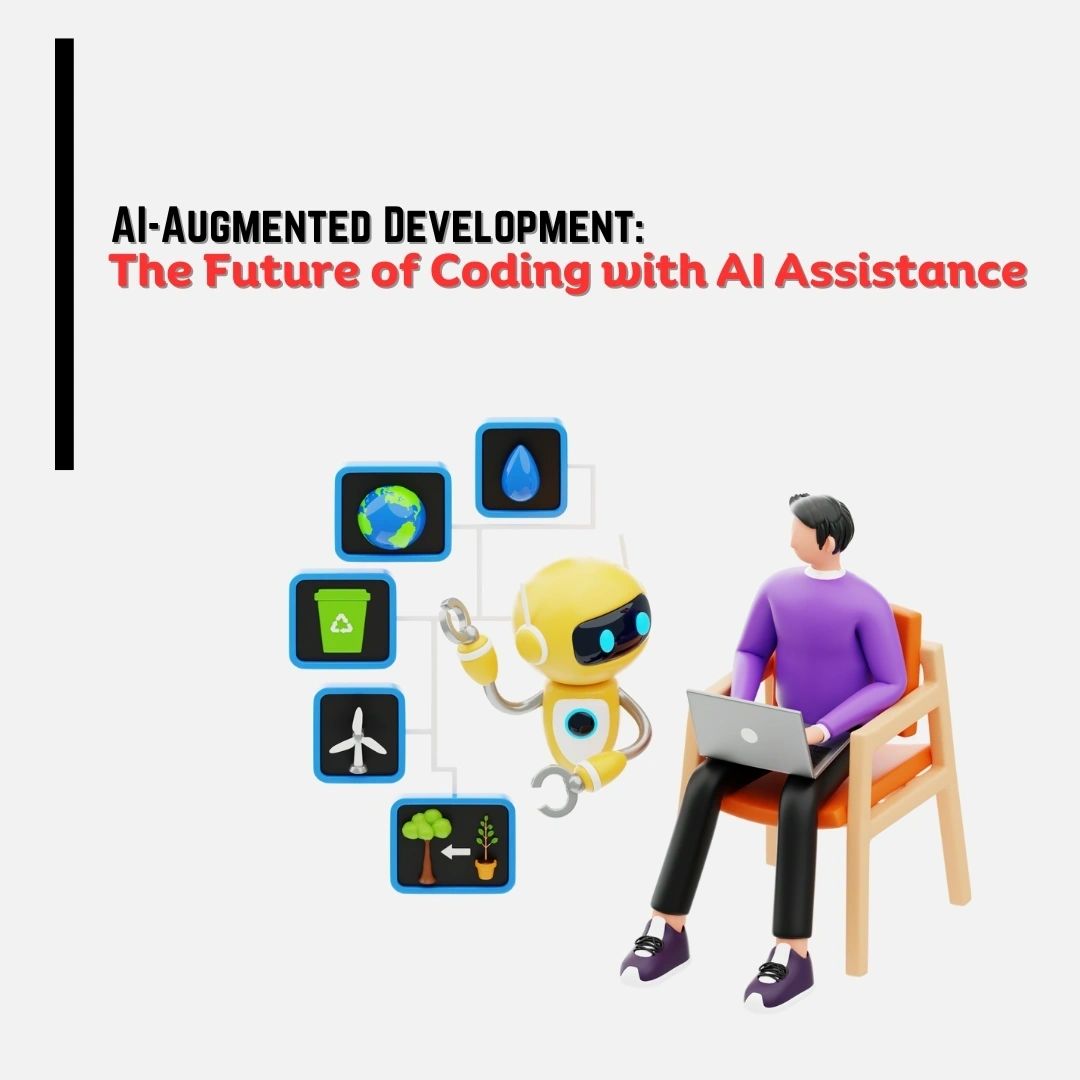
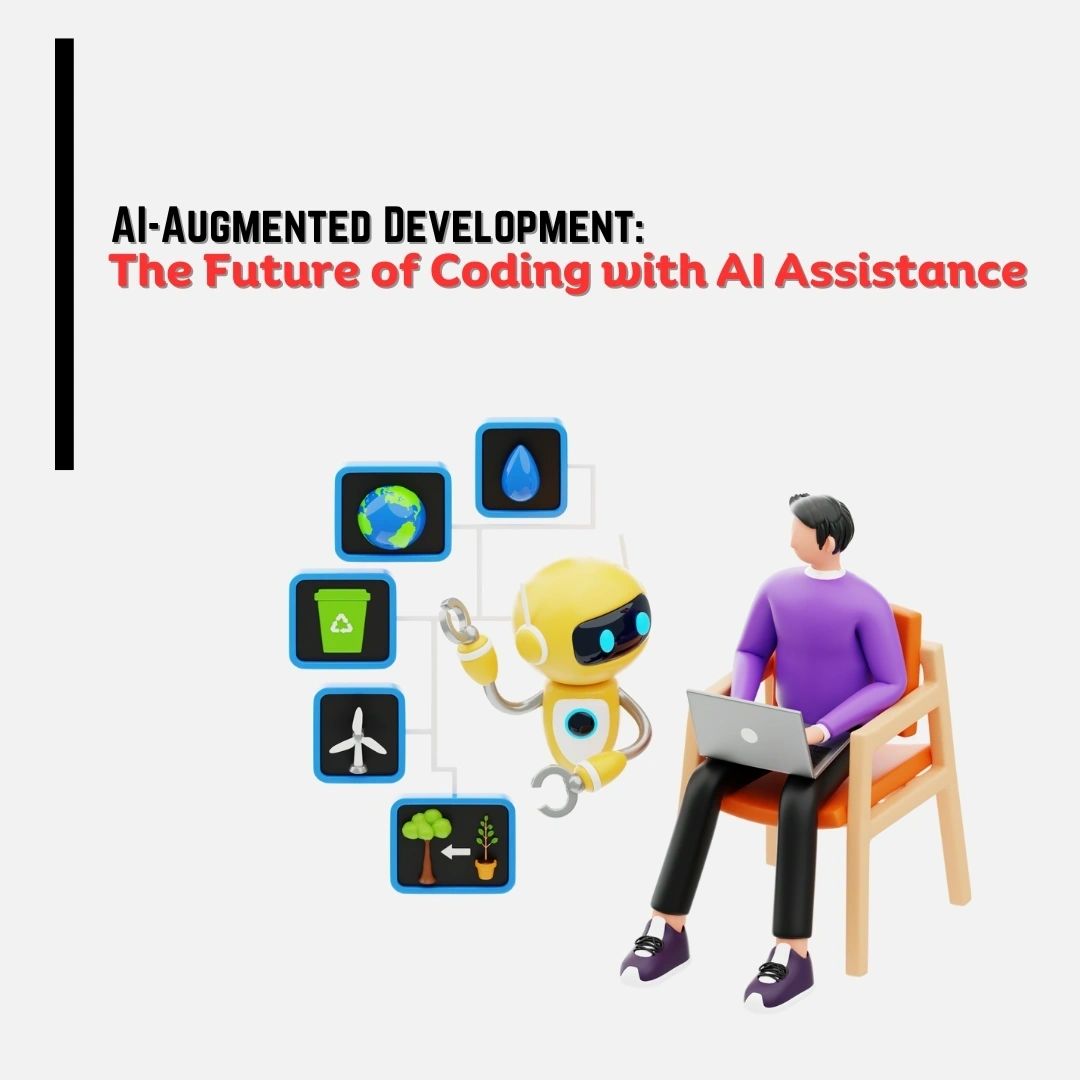
AI-Augmented Development: The Future of Coding with AI Assistance
As artificial intelligence continues to evolve, it’s transforming industries across the board—and software development is no exception. AI-augmented development is quickly emerging as a powerful trend, revolutionizing how developers approach coding, bug detection, and performance optimization. By integrating AI into the development process, developers can streamline their workflow, produce higher-quality code, and deliver products faster than ever before. In an industry that constantly demands speed and innovation, AI-augmented development is not just a trend but a powerful tool that promises to reshape the future of programming.
Streamlining the Coding Process with AI
One of the most visible impacts of AI in software development is its role in automating code generation. Traditionally, writing code is a labor-intensive process requiring both creativity and deep technical knowledge. However, AI-powered tools, such as GitHub Copilot and OpenAI’s Codex, are designed to assist developers by suggesting code snippets, completing lines of code, and even writing entire functions based on natural language prompts. This not only accelerates the coding process but also lowers the barrier to entry, enabling novice developers to create robust applications more easily.
Furthermore, AI tools can analyze large code repositories to identify best practices and patterns. By doing so, these tools can offer recommendations for cleaner, more efficient code. This reduces the need for trial and error, which traditionally occupies much of a developer’s time, and ensures that code is written efficiently from the outset. As a result, developers can focus on higher-level tasks like designing application architecture and functionality, while leaving routine coding tasks to AI.
Enhancing Code Quality Through AI-Powered Bug Detection

Bug detection is an essential but challenging part of the development process. Bugs can lead to poor user experience, vulnerabilities, and costly delays if not identified and addressed early. Traditionally, developers rely on manual code reviews and testing frameworks to catch these errors, but the process is often time-consuming and prone to human oversight.
AI, however, is significantly enhancing this aspect of software development. With machine learning algorithms trained on vast datasets of code, AI can identify patterns associated with common bugs and flag potential issues as they arise. Tools like DeepCode and Codota are designed to scan through codebases, detect vulnerabilities, and even suggest fixes in real-time. This automation not only reduces the time spent on debugging but also minimizes the risk of undetected errors slipping into production.
AI-powered bug detection can also handle more complex issues by detecting logical errors or inefficiencies that might be missed in traditional testing. For example, AI algorithms can examine how different pieces of code interact with each other and identify conflicts or performance bottlenecks before they manifest as visible bugs. By integrating these capabilities, developers can maintain higher code quality and avoid many of the pitfalls that arise from human error and oversight.
Optimizing Performance Through AI Analysis
Another transformative role of AI in software development is its ability to optimize code for performance. Code optimization, especially in large-scale applications, is crucial for ensuring efficiency and scalability. However, manual optimization can be a meticulous process, requiring deep knowledge of both the codebase and the underlying hardware or environment on which the application runs.
AI-based optimization tools, like Intel’s AI-optimized compilers or Facebook’s Prophet, can analyze complex applications to identify areas where performance can be improved. By examining execution patterns and detecting inefficient code segments, these tools provide suggestions or even implement changes automatically, leading to faster and more responsive applications.
AI can also help in resource allocation and load balancing, particularly in cloud-based and distributed systems. By analyzing usage patterns and predicting resource demands, AI can optimize how applications consume resources, reducing costs and enhancing efficiency. This makes AI-augmented development not only beneficial for individual developers but also valuable at a business level, where it can contribute to significant cost savings and improved application performance.
The Future of AI-Augmented Development

AI-augmented development is still in its early stages, but the potential is vast. As AI algorithms become more sophisticated, we can expect them to handle more complex aspects of software development, from architectural planning to automated testing and even project management. This will fundamentally shift the role of a software developer, moving them away from routine coding tasks toward more creative and strategic work.
Additionally, AI-augmented development could lead to a democratization of programming, allowing individuals without formal coding backgrounds to create and deploy applications. This shift could spark an explosion of innovation as people from diverse backgrounds bring new perspectives to software development.
Challenges and Ethical Considerations
Despite its potential, AI-augmented development does raise some challenges. There are concerns about job displacement for junior developers, as automation may reduce the need for entry-level programming work. There’s also the risk of over-reliance on AI, which could lead to reduced critical thinking and problem-solving skills among developers.
Moreover, AI-generated code can introduce new security risks. Since AI tools rely on existing datasets to generate code, there’s a possibility of reproducing vulnerabilities or incorporating biased assumptions. Developers must therefore remain vigilant and ensure that AI-generated code undergoes rigorous scrutiny.
AI-augmented development represents a paradigm shift in the software industry, offering a powerful way to increase efficiency, improve code quality, and optimize performance. By automating routine tasks and enhancing the capabilities of human developers, AI is shaping a future where programming is more accessible, efficient, and innovative. As technology continues to evolve, it will be essential for developers and organizations to adapt responsibly, balancing the advantages of AI with ethical considerations to harness its full potential in a way that benefits everyone in the tech ecosystem.