Web Scraping: Unlocking the Power of Online Data
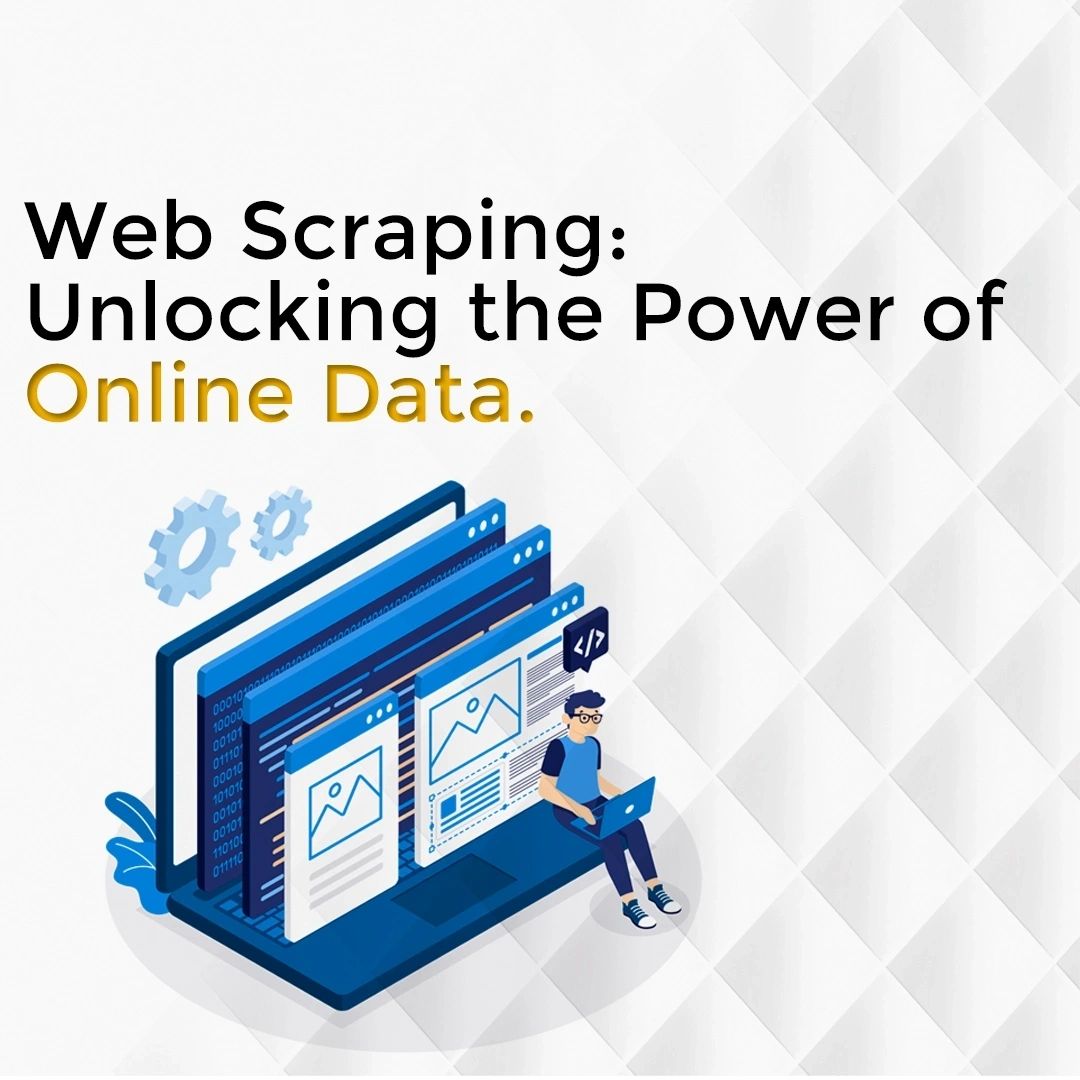
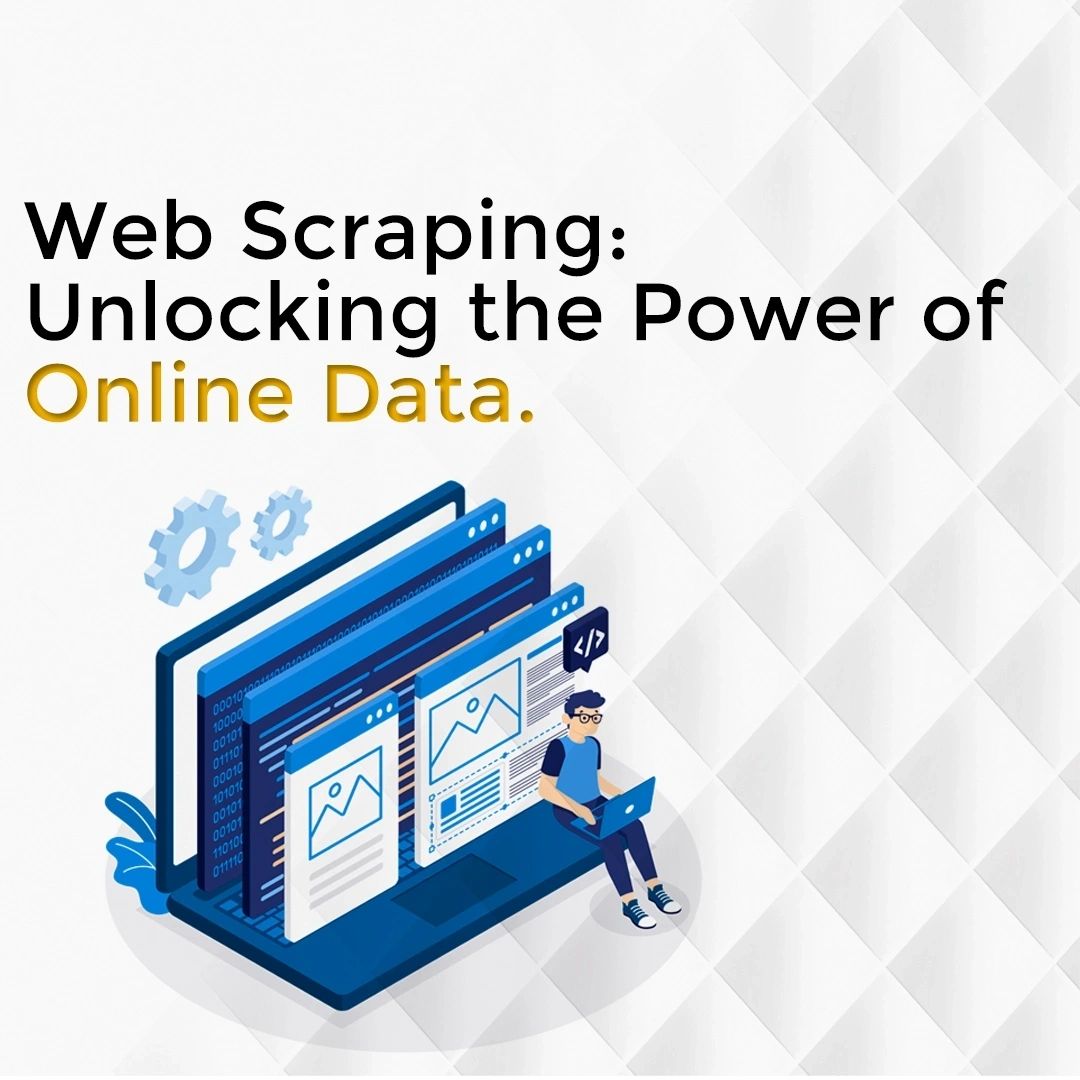
Web scraping is the process of using automated tools to get unlimited data from various websites. It plays a crucial role in various industries, helping businesses, researchers, and developers collect and analyze large amounts of information quickly and efficiently. From price monitoring in e-commerce to gathering research data, web scraping has become an essential tool in today’s data-driven world.
Meaning of Web Scraping
Web scraping involves using software, often called web crawlers or spiders, to visit web pages and extract specific information. These tools can range from simple scripts written in languages like Python to sophisticated frameworks like Scrapy or Beautiful Soup. The scraped data can then be saved in structured formats like CSV, JSON, or databases for further analysis.
For example, a real estate agency might scrape property listings from various websites to analyze trends in pricing and availability. Similarly, marketers might scrape social media profiles or forums to gather insights into customer preferences and sentiments.
Common Applications of Web Scraping
1. Price Monitoring and Comparison
E-commerce platforms often use web scraping to monitor competitors’ prices and adjust their strategies accordingly. Price comparison websites also scrape data to present users with the best deals.
2. Rival Match
Businesses scrape online reviews, forums, or news articles to identify trends and customer feedback. This data provides valuable insights for product development and marketing strategies.
3. Data Follow-Up
News aggregators and research platforms collect information from multiple sources to provide consolidated and up-to-date content.
4. Lead Generation
Companies scrape contact information from directories or websites to create targeted lists of potential clients.
5. People’s Trust
Social media scraping allows companies to analyze public opinions and sentiments about products, brands, or events.
6. Academic Research
Researchers can collect large datasets from online sources for studies in fields like linguistics, sociology, or data science.
Web Scraping Usage
1. Identify the Target Website
Decide which website or web pages contain the desired data.
2. Analyze the Structure
Examine the website’s HTML structure to locate the data. Tools like browser developer tools (e.g., Chrome DevTools) can be used to inspect elements and find patterns.
3. Write the Script
Use programming languages like Python with libraries such as Beautiful Soup, Scrapy, or Selenium to create a script that extracts the data.
4. HTML Data
The script processes the HTML, locating and extracting specific data elements such as text, images, or links.
5. Storage of Data
Save the extracted data in a structured format, such as CSV or JSON, for analysis or storage.
Ethical and Legal Considerations

While web scraping is a powerful tool, it raises ethical and legal concerns:
• Terms of Service (ToS): Many websites explicitly prohibit web scraping in their ToS agreements.
• Intellectual Property: Extracting copyrighted material without permission may breach intellectual property laws.
• Server Overloading: Sending excessive requests to a server can lead to performance issues, potentially violating anti-denial-of-service regulations.
• Personal Data Privacy: Collecting personal information without consent may violate data protection laws like GDPR.
To avoid issues, always ensure your scraping activities are ethical and within the boundaries of the law. Techniques like rate limiting (slowing down requests) and respecting the robots.txt file can help minimize the impact on a website’s server.
Web Scraping Tools
Several tools and frameworks simplify web scraping:
• Scrapy: A robust web scraping framework with features for handling large-scale projects.
• Selenium: Primarily used for web testing, but also helpful for scraping dynamic web pages.
• Octoparse: A no-code tool that allows non-programmers to scrape data visually.
Challenges in Web Scraping
Web scraping can encounter various obstacles, such as:
1. Dynamic Websites: Sites that load content through JavaScript can be challenging to scrape with traditional tools.
2. Anti-Scraping Measures: Websites may implement captchas, IP bans, or rate limits to prevent scraping.
3. Changing Website Structures: Frequent changes in HTML structure require constant script updates.
Web scraping is an invaluable technique for collecting data in a fast and efficient manner. However, it requires technical expertise, ethical responsibility, and legal awareness to use it effectively. With the right tools and practices, web scraping can unlock immense value for businesses, researchers, and developers alike.