PPC Advertising for Enterprises: Maximizing ROI at Scale
Pay-per-click (PPC) advertising has become a vital strategy for companies aiming to increase their visibility and improve conversion rates. Unlike smaller businesses, enterprises operate on a much larger scale, requiring more sophisticated approaches to ensure that their PPC efforts are not only effective but also scalable. This article explores the intricacies of PPC advertising for enterprises, focusing on strategies to optimize campaigns, manage budgets, and measure success at scale.
Understanding PPC Advertising in the Enterprise Context
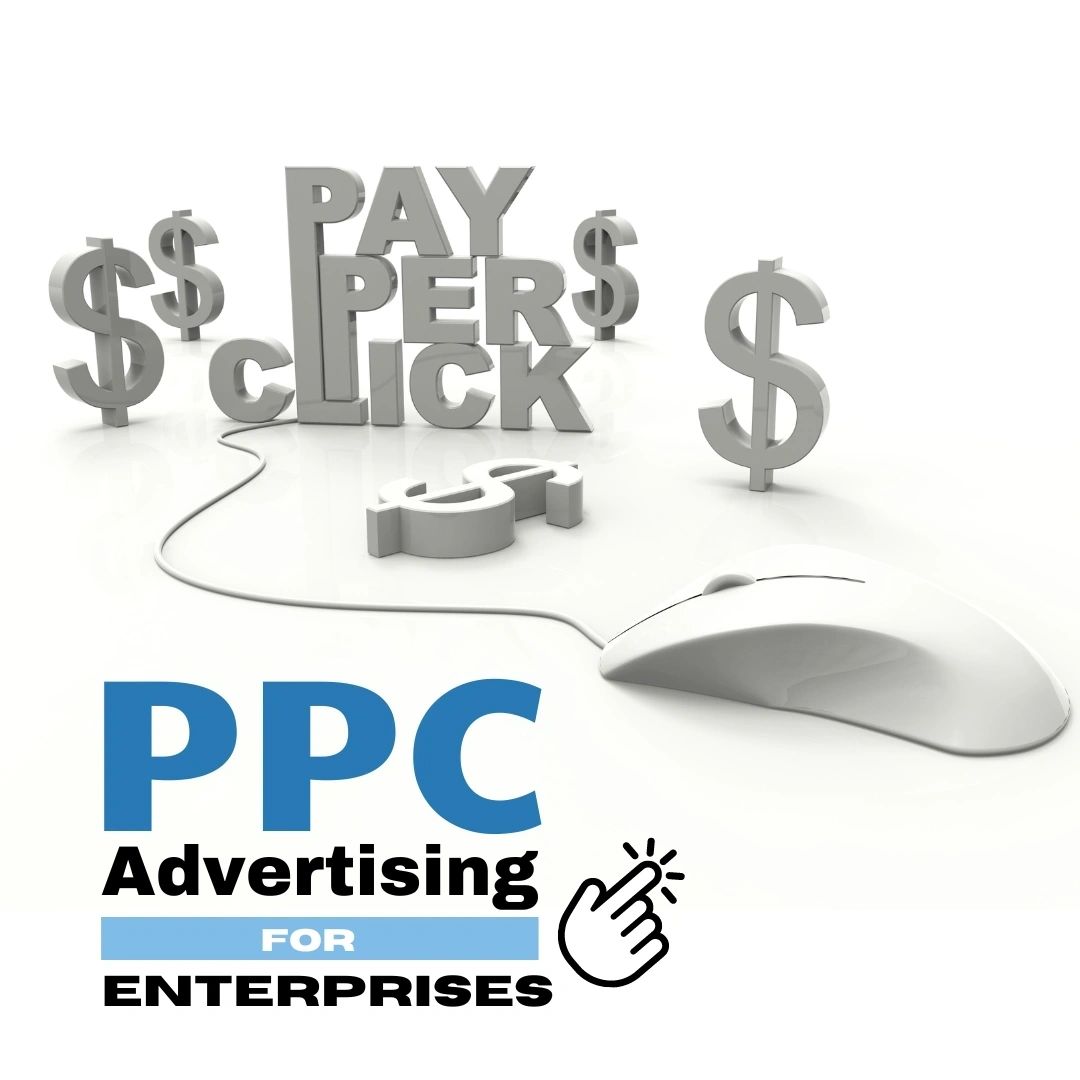
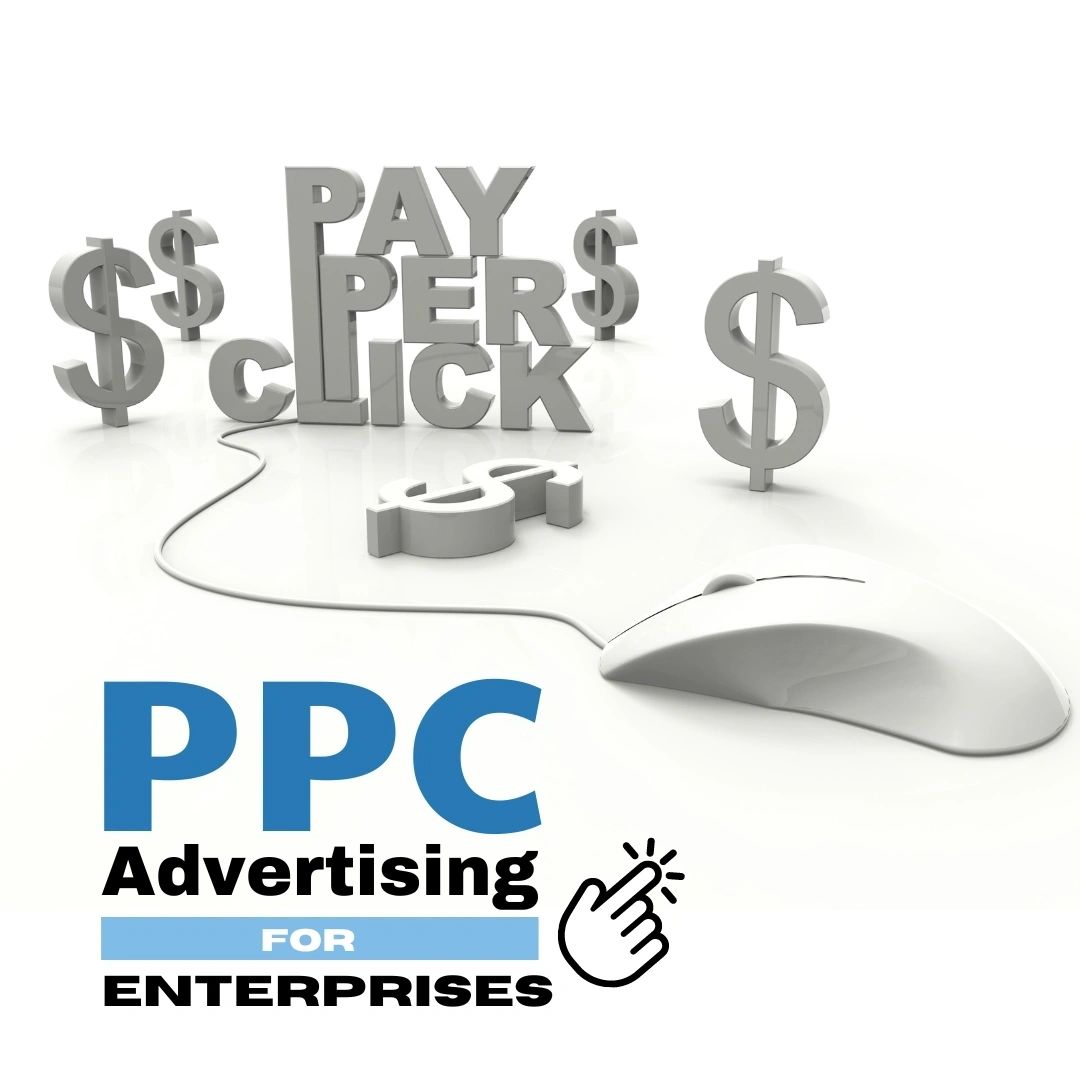
PPC advertising entails incurring a cost each time an ad is clicked, aiming to direct traffic to a website or landing page. This model differs from conventional advertising, where companies pay in advance for ad placements regardless of their effectiveness. The beauty of PPC lies in its measurability; enterprises can track every click, conversion, and ultimately, the return on investment (ROI) from their campaigns.
For enterprises, the challenge is not just in managing a few campaigns but in orchestrating dozens, or even hundreds, of them across different markets, products, and customer segments. The sheer scale introduces complexities that smaller businesses may not face, such as managing large budgets, maintaining brand consistency, and handling the intricacies of international markets.
Strategic Planning: The Cornerstone of Effective Enterprise PPC
At the enterprise level, PPC campaigns demand careful planning. This process starts with establishing specific objectives that are in line with the company’s overall marketing and business goals. Typical objectives could involve enhancing brand visibility, boosting online sales, generating leads, or introducing a new product or service.
Once objectives are set, enterprises need to conduct comprehensive keyword research. Unlike small businesses that might focus on a limited set of keywords, enterprises must consider a broad spectrum of terms that cover various products, services, and markets. Tools like Google’s Keyword Planner, SEMrush, and Ahrefs are invaluable for this purpose. Moreover, enterprises should not only target high-volume keywords but also identify and leverage long-tail keywords that can drive highly targeted traffic.
Budget Management: Balancing Scale with Efficiency

Managing the budget is another essential component of PPC for businesses. With larger budgets come greater responsibilities and risks. Enterprises must ensure that their PPC spending is not only efficient but also adaptable to changes in the market and campaign performance.
One approach is to allocate budgets dynamically based on performance metrics. For instance, campaigns or keywords that generate a higher ROI can be allocated more budget, while underperforming ones can be adjusted or paused. This requires constant monitoring and a data-driven approach, which can be facilitated by tools like Google Ads’ Automated Rules, which allow enterprises to set conditions for budget adjustments.
Another consideration is the geographical allocation of budgets. Enterprises often operate in multiple regions, each with its unique market dynamics. Allocating budgets based on regional performance and market potential ensures that the enterprise is investing in areas with the highest return potential.
Advanced Targeting and Personalization
Enterprises have the advantage of access to extensive data on their customers, which can be leveraged to create highly targeted and personalized PPC campaigns. Audience segmentation is key here; by dividing the audience into different groups based on factors like demographics, purchase behavior, and engagement history, enterprises can tailor their ads to resonate more with each segment.
Remarketing serves as a potent asset in the PPC toolkit for enterprises. By reaching out to users who have engaged with the brand but haven’t completed a conversion, businesses can enhance their conversion potential by showing ads that rekindle users’ interest. Both Google Ads and Facebook Ads provide strong remarketing capabilities that can be tailored to reflect user behavior.
In addition to remarketing, enterprises should also explore advanced targeting options such as lookalike audiences, which allow them to reach new potential customers who share characteristics with their existing customer base. This is particularly useful for enterprises looking to expand their market reach while maintaining a high level of ad relevance.
Leveraging Automation and AI
Automation and artificial intelligence (AI) are transforming PPC advertising, especially for enterprises managing large-scale campaigns. AI-driven tools can help optimize bids, select the best-performing ads, and even create ad copy based on performance data. Google’s Smart Bidding, for instance, uses machine learning to optimize bids for conversions or conversion value across auctions.
Businesses should also explore PPC management tools like Marin Software, Kenshoo, or WordStream, which provide sophisticated features for overseeing various campaigns across multiple platforms. These platforms can automate numerous labor-intensive tasks associated with PPC management, including bid adjustments, budget distribution, and performance analytics.
Moreover, AI can be used to predict trends and consumer behavior, allowing enterprises to proactively adjust their campaigns to align with market changes. This predictive capability is particularly valuable in competitive industries where staying ahead of trends can be the difference between leading the market and falling behind.
Measuring Success: Key Metrics and KPIs
For large organizations, assessing the effectiveness of PPC campaigns involves more than just evaluating click-through rates (CTR) and cost-per-click (CPC). While these metrics are important, they do not provide a complete picture of a campaign’s effectiveness. Instead, enterprises should focus on a range of Key Performance Indicators (KPIs) that align with their business objectives.
Conversion rate is one of the most critical KPIs, as it directly reflects the effectiveness of a campaign in driving desired actions, whether that’s making a purchase, signing up for a newsletter, or filling out a contact form. In addition to conversion rates, cost per acquisition (CPA) is another essential metric that helps enterprises understand how much they are spending to acquire each customer.
ROI and return on ad spend (ROAS) are also vital metrics for enterprises, as they provide a clear picture of the financial return from PPC investments. A higher soaring ROAS demonstrates that the campaign’s revenue exceeds its costs, effectively meeting the main aim of any advertising strategy.
The Importance of Continuous Optimization
Finally, continuous optimization is crucial for the success of enterprise PPC campaigns. The digital landscape is dynamic, with changes in consumer behavior, market trends, and competitor actions constantly influencing campaign performance. Enterprises must adopt a test-and-learn approach, regularly A/B testing different ad creatives, landing pages, and targeting options to identify what works best.
In addition to testing, regular performance audits are essential. These audits should review everything from keyword performance and ad quality scores to budget allocation and conversion tracking. By identifying areas of improvement, enterprises can make informed adjustments that enhance campaign performance and maximize ROI.
PPC advertising offers immense potential for enterprises, but it requires a strategic, data-driven approach to be effective at scale. By focusing on comprehensive planning, advanced targeting, automation, and continuous optimization, enterprises can not only drive significant traffic and conversions but also achieve sustainable growth and a strong return on investment. As the digital landscape continues to evolve, enterprises that master PPC advertising will be well-positioned to maintain a competitive edge in their industries.