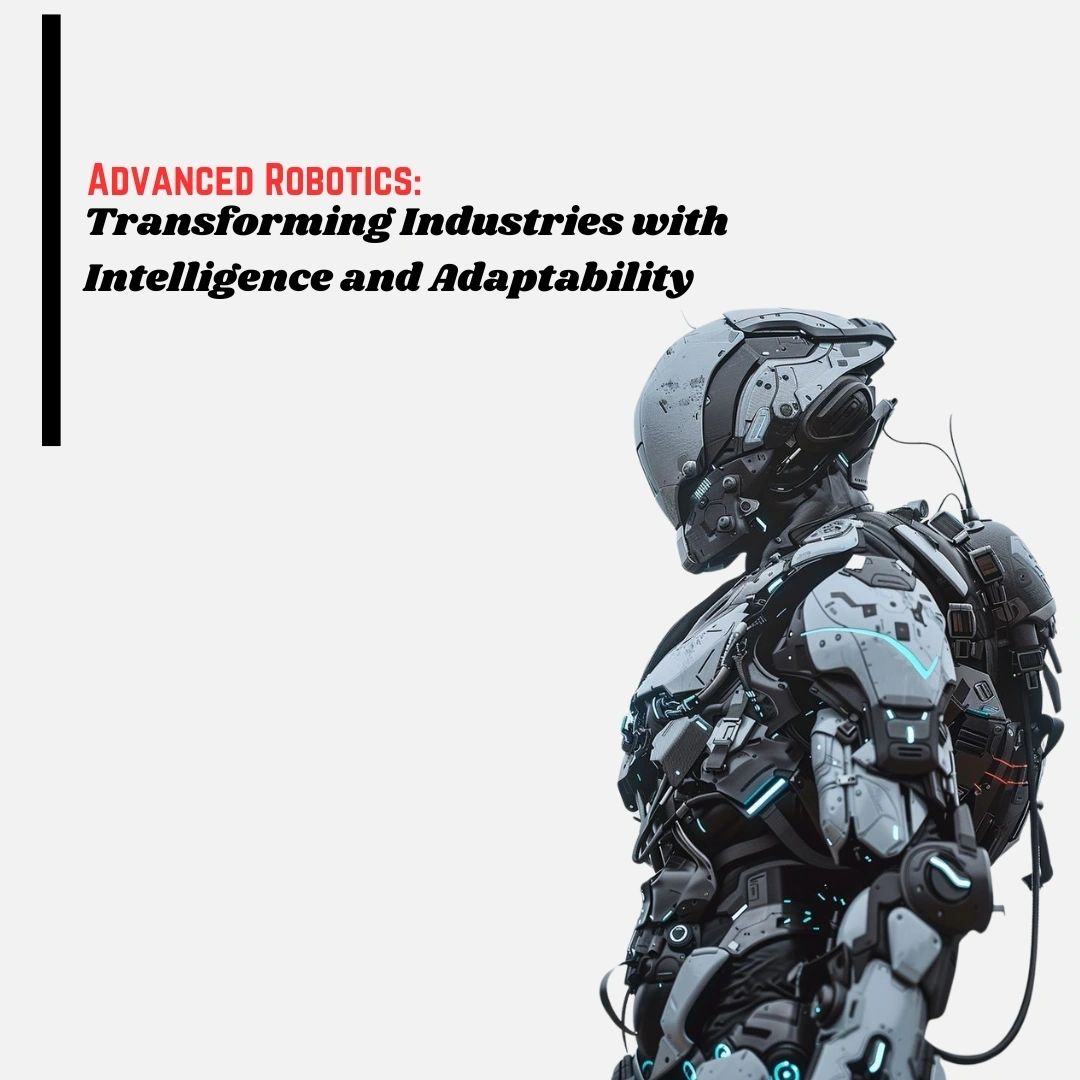
Advanced Robotics: Revolutionizing Industries
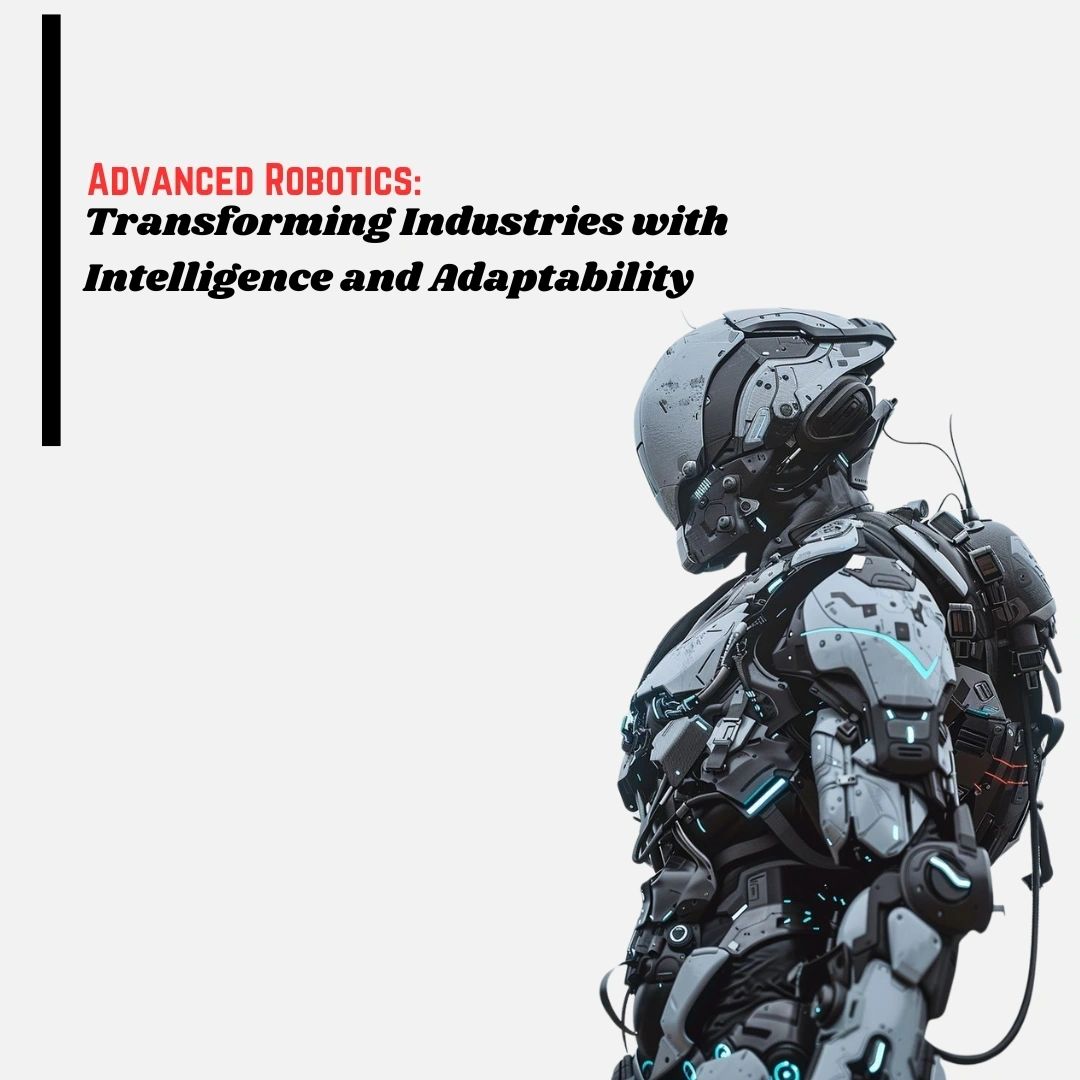
The rapid advancement of robotics has ushered in a new era of innovation, where robots are no longer confined to repetitive tasks in controlled environments. Modern robotics has reached a level of sophistication that enables machines to perform complex tasks, adapt to changing environments, and work alongside humans in diverse sectors. From manufacturing to healthcare, the integration of advanced robotics is reshaping industries and redefining the possibilities of technology.
The Evolution of Robotics
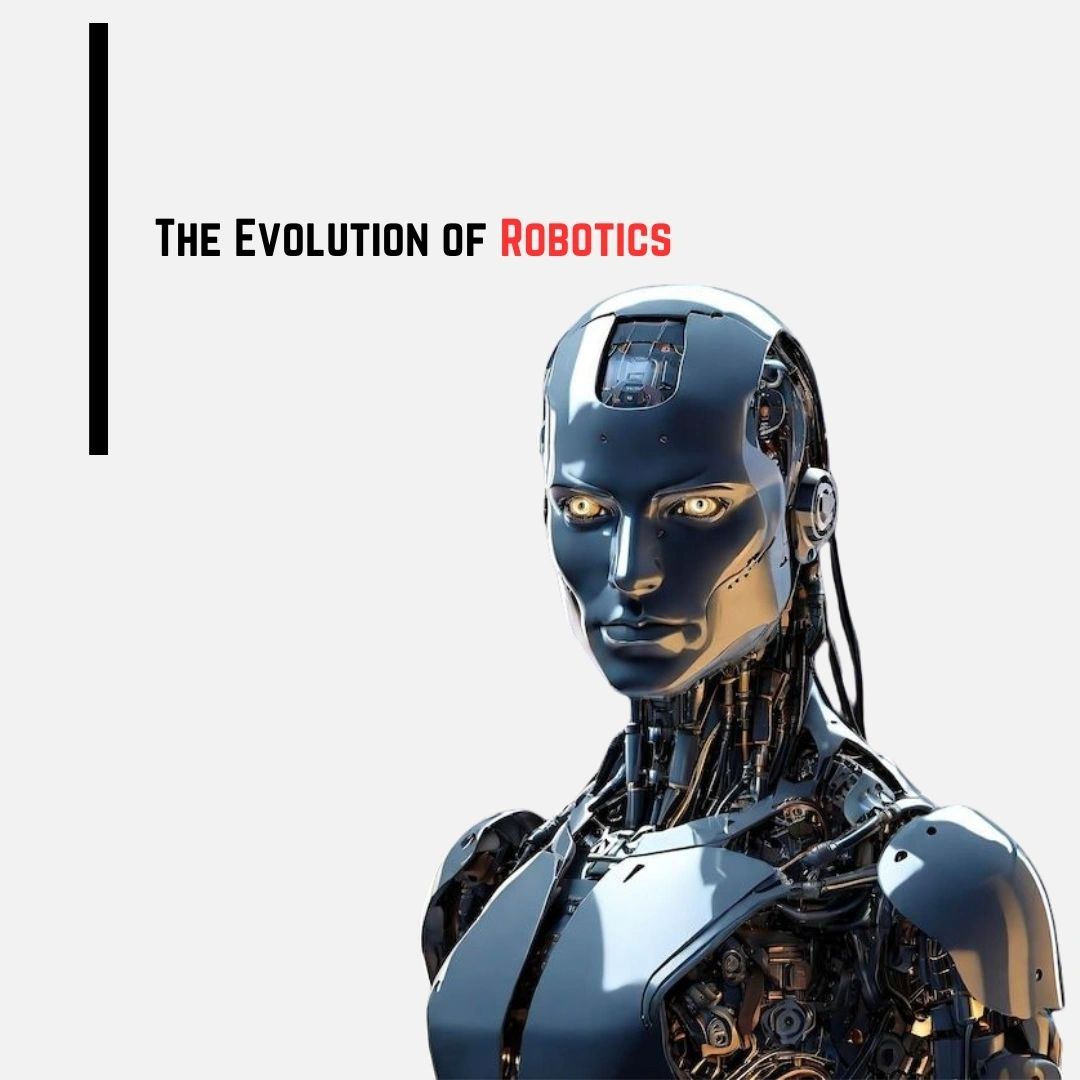
Traditional industrial robots were primarily designed for repetitive tasks, such as assembly line operations, welding, and painting. While these robots excelled in efficiency and precision, they lacked adaptability and intelligence. However, recent advancements in artificial intelligence (AI), machine learning, and sensor technology have transformed the capabilities of robots, enabling them to learn, adapt, and operate autonomously in dynamic environments.
Modern robots are equipped with sophisticated sensors, cameras, and algorithms that allow them to perceive their surroundings, process data in real time, and make decisions. This leap in technology has paved the way for intelligent robots capable of performing tasks that were once deemed impossible for machines.
Impact on Key Industries

Manufacturing
Advanced robotics is revolutionizing the manufacturing industry by enhancing productivity, precision, and flexibility. Collaborative robots, or “cobots,” are designed to work alongside human workers, assisting in tasks that require dexterity and accuracy. These robots can adapt to different products and processes, making them ideal for industries with high product variability.
For example, in automotive manufacturing, robots can perform intricate tasks such as assembling electronic components, welding body parts, and inspecting finished products for defects. Their ability to work tirelessly and accurately reduces production costs and minimizes human error, leading to higher-quality products.
Healthcare
The healthcare sector is experiencing a profound transformation with the integration of advanced robotics. Robotic-assisted surgeries, such as those performed by the da Vinci Surgical System, allow surgeons to perform minimally invasive procedures with unparalleled precision. These systems enhance the surgeon’s capabilities by providing a magnified 3D view and eliminating hand tremors.
Beyond surgery, robots are used for patient care, rehabilitation, and diagnostics. For instance, robots like TUG can transport medical supplies and medications within hospitals, while robotic exoskeletons assist patients in regaining mobility during physical therapy. Advanced robotics is also making strides in telemedicine, enabling remote consultations and procedures.
Service Industry
In the service sector, robots are being deployed for tasks ranging from customer service to food delivery. Intelligent robots equipped with natural language processing capabilities can interact with customers, answer queries, and provide assistance in retail stores, airports, and hotels. Companies like Starship Technologies are using delivery robots to transport food and packages, offering a glimpse into the future of logistics.
Furthermore, robots are playing a critical role in disaster response and search-and-rescue operations. Their ability to navigate hazardous environments and perform tasks such as debris removal and victim identification makes them invaluable in emergencies.
Key Technologies Driving Advanced Robotics
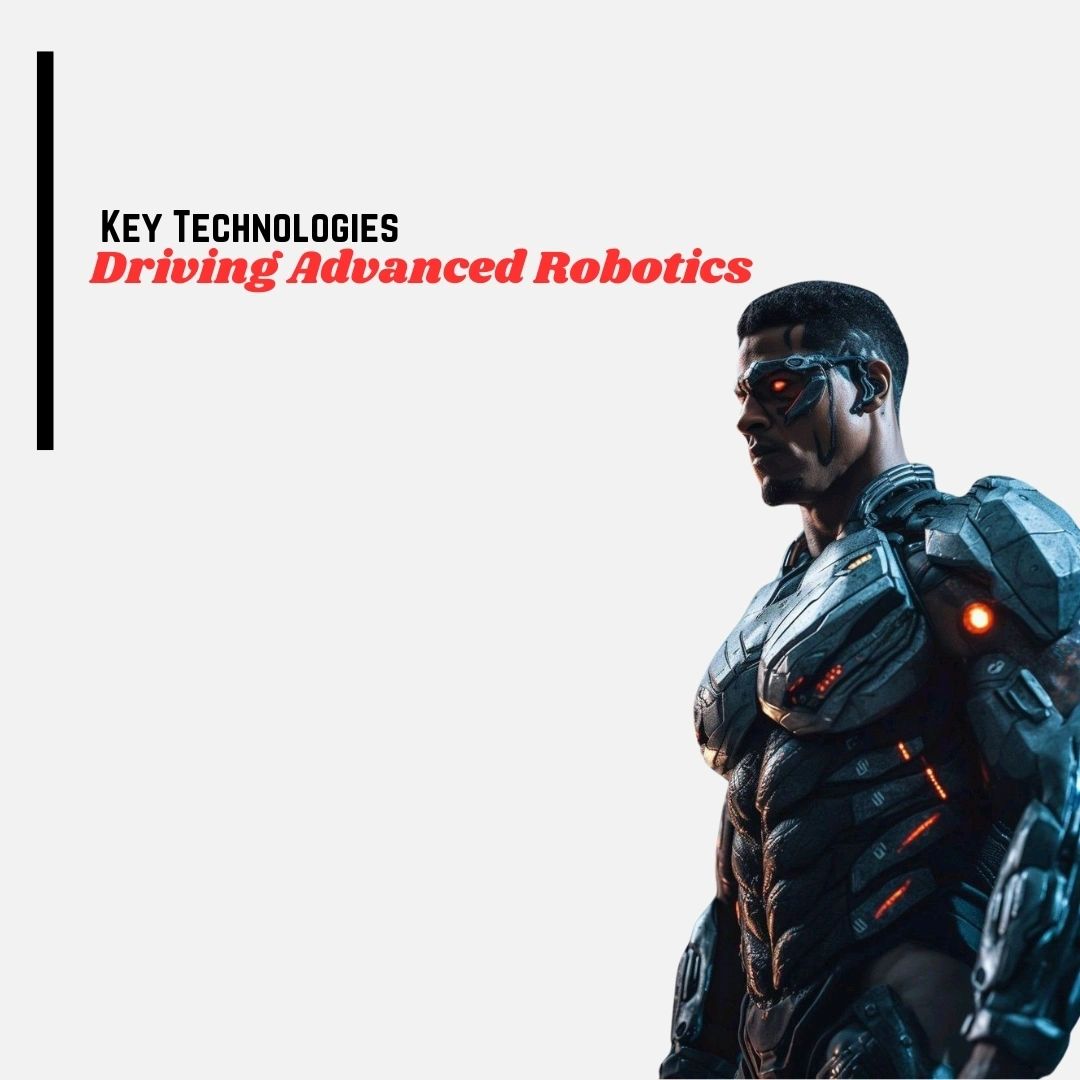
Several cutting-edge technologies are driving the development of advanced robotics:
1. Artificial Intelligence (AI): AI enables robots to process large volumes of data, recognize patterns, and make decisions in real time. This is essential for tasks that require adaptability and problem-solving.
2. Machine Learning: Machine learning algorithms allow robots to improve their performance over time by learning from data and experiences.
3. Sensor Technology: Advanced sensors, such as LiDAR and 3D cameras, enable robots to perceive their surroundings with high accuracy, facilitating navigation and object recognition.
4. Edge Computing: By processing data locally, edge computing reduces latency and enhances the robot’s ability to respond quickly to environmental changes.
Challenges and Future Prospects

Despite the remarkable progress, advanced robotics faces challenges such as high development costs, ethical concerns, and the need for regulatory frameworks. Ensuring the safety of human-robot interactions and addressing potential job displacement are critical considerations.
As technology continues to advance, robots are expected to become even more intelligent, versatile, and integrated into our daily lives. The rise of humanoid robots, autonomous vehicles, and robotic companions could further blur the lines between humans and machines.
Advanced robotics is not just a technological marvel; it is a catalyst for change across industries. By combining intelligence, adaptability, and precision, modern robots are enhancing productivity, improving quality of life, and solving complex challenges. As we continue to push the boundaries of robotics, the possibilities for innovation and growth are limitless, promising a future where humans and robots coexist and collaborate seamlessly.