
AI to Make Meetings Interesting

Meetings are a cornerstone of organizational collaboration, but they’re often criticized for being unproductive and unengaging. Artificial intelligence (AI) is changing that narrative by introducing tools and techniques that make meetings more dynamic, efficient, and impactful. From preparation to execution and follow-up, AI is revolutionizing how teams connect and collaborate.
Personalized Agendas for Targeted Discussions

AI-powered tools can analyze previous meetings, project goals, and team inputs to create customized agendas. Instead of generic meeting plans, AI ensures that every agenda item aligns with participants’ interests and the objectives at hand. This personalization fosters engagement and minimizes time wasted on irrelevant topics. Participants can come prepared with tailored insights, making discussions more productive and focused.
Dynamic Content Recommendations

AI can analyze the topics to be discussed and suggest relevant data, reports, or insights in real time. For example, during a sales meeting, an AI assistant might pull up the latest customer analytics or competitor benchmarks. By providing actionable data at the right moment, AI keeps the conversation engaging and rooted in evidence, allowing teams to make informed decisions quickly.
Smart Scheduling for Maximum Engagement

Scheduling meetings that suit everyone’s availability is often a logistical nightmare. AI tools like smart schedulers use algorithms to identify the best time slots, considering participants’ time zones, preferences, and productivity peaks. Beyond convenience, AI ensures that meetings are scheduled when participants are most alert and engaged, enhancing their ability to contribute meaningfully.
Real-Time Engagement and Collaboration
AI-driven tools can boost engagement during meetings by facilitating interactive elements. Features like live polls, sentiment analysis, and instant feedback loops allow participants to express opinions or concerns without interrupting the flow of conversation. Virtual meeting platforms enhanced by AI can even monitor participant focus levels and suggest ways to re-engage attendees if their attention wanes.
AI-Powered Translation

AI-powered translation tools enable real-time transcription and translation, ensuring that everyone can follow and contribute regardless of their native language. These tools also make meetings more inclusive by providing live captions for individuals with hearing impairments, fostering a culture of accessibility.
AI-Generated Summaries and Action Items
One of the most tedious aspects of meetings is documenting outcomes and ensuring accountability for action items. AI can automatically record meetings, generate concise summaries, and highlight key decisions and tasks. Furthermore, AI can send reminders about assigned tasks, ensuring follow-through long after the meeting ends.
Gamification and Engagement Techniques

AI can incorporate gamification elements into meetings, such as quizzes, challenges, or interactive brainstorming sessions. By adding a layer of fun and competition, these techniques keep participants engaged and invested in the conversation. AI algorithms can even suggest icebreakers or team-building exercises tailored to the group’s dynamics, making meetings feel less like a chore and more like an opportunity for creative collaboration.
Sentiment Analysis for Improved Dynamics
AI can monitor participants’ verbal and nonverbal cues to gauge sentiment and mood. If it detects disengagement, frustration, or confusion, it can alert the facilitator to adjust the meeting’s tone or approach. This real-time feedback helps leaders steer discussions in a way that fosters collaboration and ensures everyone feels heard.
Enhanced Brainstorming Sessions
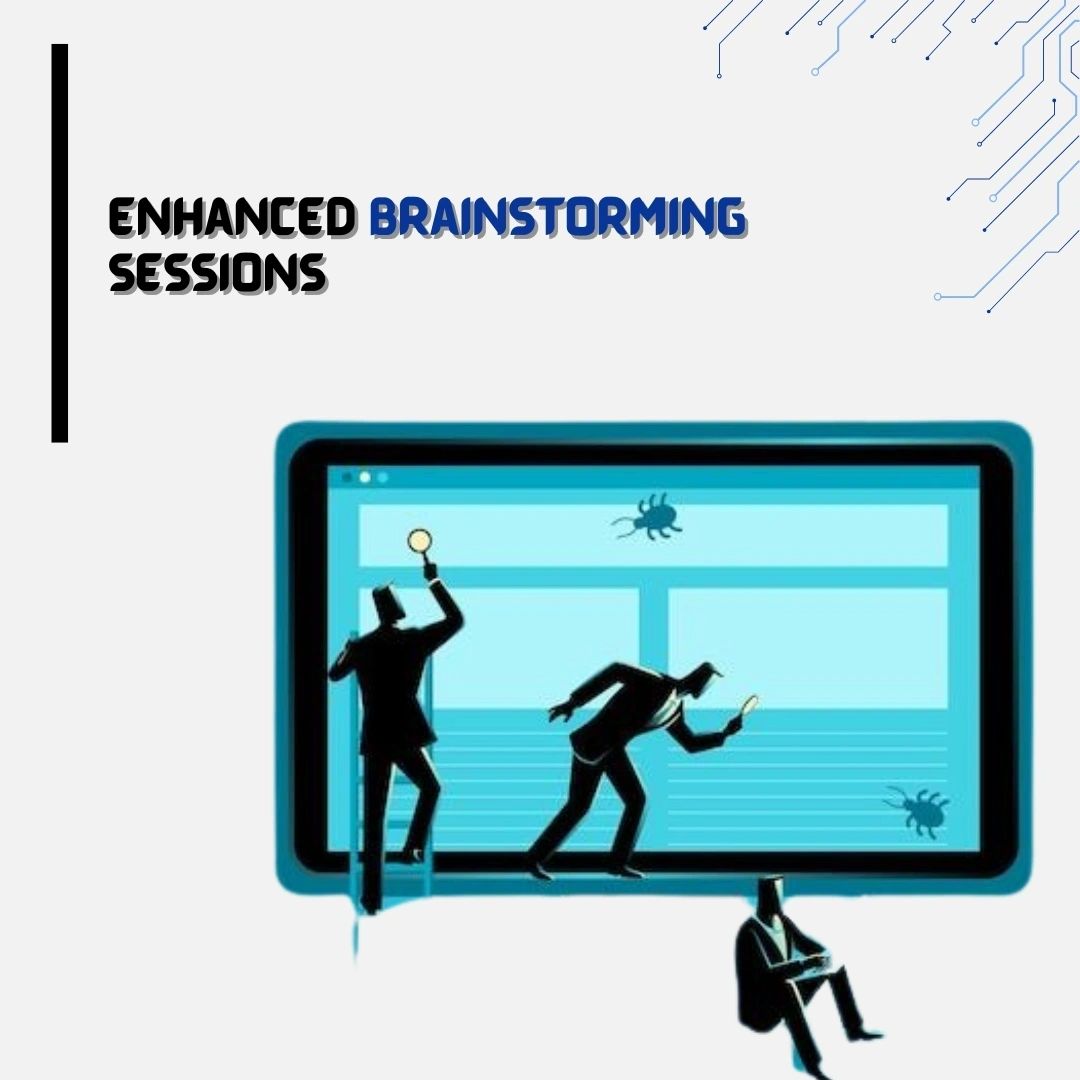
AI tools can serve as creative collaborators, offering suggestions and insights during brainstorming sessions. For instance, AI can analyze past projects or industry trends to provide innovative ideas that participants might not have considered. These tools can also prioritize ideas based on feasibility and impact, streamlining the decision-making process.
Virtual Reality and Immersive Experiences
For organizations embracing hybrid or remote work models, AI-driven virtual reality (VR) technologies can make meetings immersive and engaging. Instead of staring at a screen, participants can interact in a virtual space that mimics a physical meeting room or even a creative environment like a beach or mountain retreat. This immersive approach reduces screen fatigue and encourages more meaningful interactions.
Transforming Meetings into Collaborative Experiences

With AI as a partner, meetings are no longer just a series of passive discussions. They become interactive, dynamic, and engaging experiences where every participant feels valued. By leveraging AI, organizations can ensure that meetings are not just necessary but also enjoyable and impactful.
The future of meetings lies in embracing these AI-driven innovations and turning them into opportunities for connection, creativity, and collaboration. When meetings are interesting, they inspire participants to contribute their best, driving teams and organizations toward success.