
Brand Awareness: Building the Foundation for Business Success
In today’s competitive marketplace, establishing a strong connection with your audience begins with brand awareness. Brand awareness refers to how familiar consumers are with your brand, its products, and its values. It’s about making sure your brand is the first thing that comes to mind when someone thinks about your industry. It lays the foundation for long-term customer loyalty and engagement. But what exactly does brand awareness mean about other key business metrics, and why is it essential for growth?
Brand Awareness vs Brand Visibility
Brand awareness and brand visibility are often confused, but they are distinct concepts. Brand visibility is about ensuring your brand is physically or digitally seen, whether through ads, packaging, or social media presence. However, brand awareness goes a step further by fostering a deeper recognition and emotional connection. Visibility is the first step, but awareness ensures that consumers remember and associate positive attributes with your brand when making purchasing decisions.
Brand Awareness vs Lead Generation
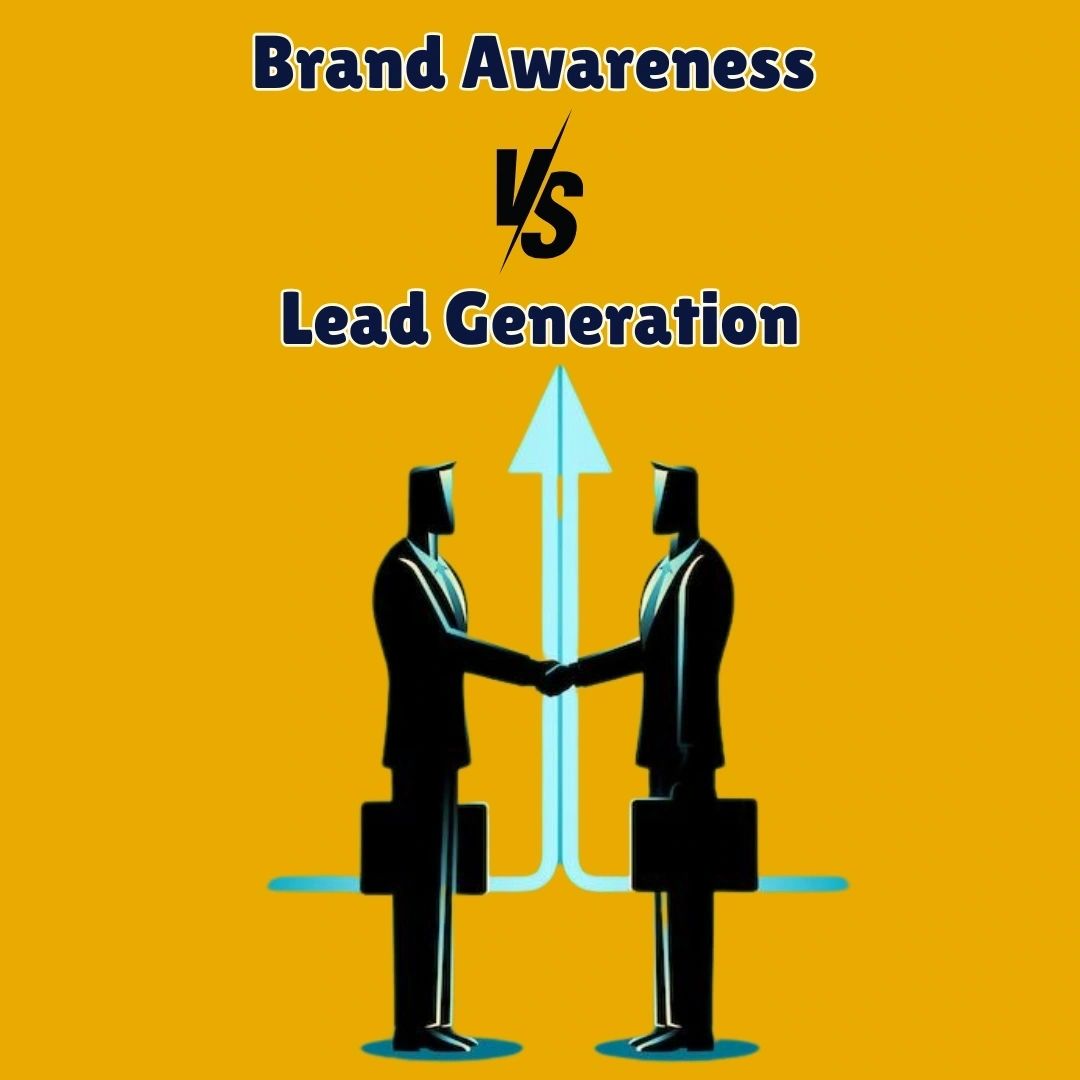
Lead generation focuses on turning prospective customers into sales leads through direct marketing efforts like email campaigns or paid advertisements. While lead generation can deliver immediate sales, brand awareness nurtures a long-term relationship by creating trust and familiarity over time. The two are complementary; brand awareness can warm up an audience, making lead generation more effective since customers already know and trust your brand.
Brand Awareness and Loyalty
There’s a strong link between brand awareness and customer loyalty. A well-known brand naturally fosters customer trust and creates loyalty. Consumers are more likely to stay loyal to brands they recognize and believe in. Brands like Nike demonstrate this effectively—by consistently promoting their brand’s core values of performance and innovation, they have cultivated a devoted customer base that extends beyond just purchasing products to embodying the brand’s identity.
Brand Awareness and Website Traffic
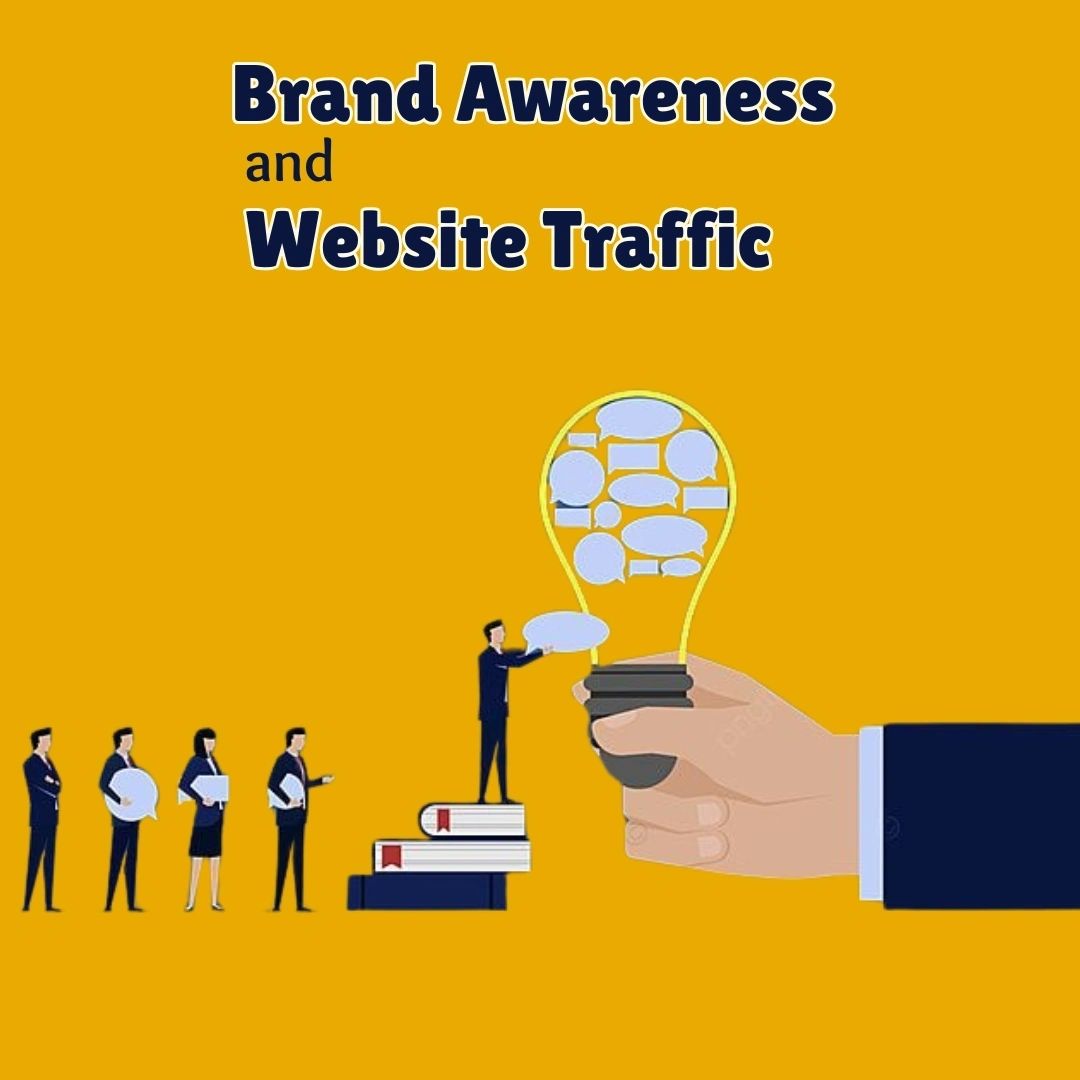
Brand awareness plays a crucial role in driving website traffic. When potential customers are familiar with your brand, they’re more likely to seek out your website when they need a solution to their problem. High brand awareness increases both organic and direct traffic, as consumers actively search for your products. In this sense, building brand awareness through social media, content marketing, and advertising can lead to more qualified visitors arriving at your website.
Is Brand Awareness a KPI?
Yes, brand awareness can be a KPI (Key Performance Indicator), especially in the early stages of marketing campaigns. While it doesn’t directly translate into sales, it is a critical metric that influences the success of other KPIs, such as lead generation or conversions. Brand awareness KPIs might include reach, impressions, or engagement rates on social media, all of which give insight into how many people are aware of your brand and how they are interacting with it.
Brand Awareness for Nonprofits
For nonprofits, brand awareness is essential for building credibility, trust, and a solid support base. People are more likely to donate or engage with a cause they recognize and feel familiar with. Nonprofit organizations often launch awareness campaigns to showcase their mission and build a sense of community among their supporters. Brand awareness in the nonprofit sector isn’t just about increasing donations—it’s about creating lasting relationships and ensuring continued support for the cause.
What Are Brand Awareness Metrics?
Measuring brand awareness involves tracking several key metrics. Social media mentions brand recall surveys, and search volume for your brand’s name are some of the more common indicators. Another effective metric is share of voice—how much your brand is mentioned compared to competitors. Additionally, customer engagement rates, such as how often people interact with your brand’s content, offer valuable insight into awareness.
What Are Brand Awareness Campaigns?
A brand awareness campaign is designed to increase your target audience’s familiarity with your brand, helping them recognize and understand your brand’s identity, values, and offerings. These campaigns often include tactics like influencer marketing, social media engagement, content marketing, and traditional advertising. One great example of this is Nike’s “Just Do It” campaign, which didn’t just promote a product but created a narrative that resonates with audiences on a personal and emotional level.
Why Increase Brand Awareness?
Increasing brand awareness helps businesses stand out in a crowded marketplace. When consumers are familiar with your brand, they are more likely to choose it over others, even if they haven’t previously purchased from you. It creates a sense of trust, facilitates easier lead conversion, and builds a long-term customer base. Moreover, a well-known brand can often charge a premium, as customers value the reliability and reputation associated with it.
How is Brand Awareness Important?
Brand awareness is vital because it’s the first step in the marketing funnel. Without it, no one knows your brand exists, which means fewer opportunities for sales. It also plays a role in how customers perceive your brand and interact with it. A brand that is both familiar and trusted will always have a competitive advantage over lesser-known brands, even if those competitors offer similar products or services.
What is Brand Awareness on Social Media?
Social media has become one of the most effective channels for increasing brand awareness. Platforms like Instagram, Facebook, and TikTok allow brands to engage directly with consumers, share their stories, and create viral content that can amplify reach. Social media awareness campaigns can include branded hashtags, collaborations with influencers, or viral video content that puts your brand in front of millions of potential customers.
In conclusion, brand awareness is more than just making sure people recognize your brand’s name—it’s about creating a lasting emotional connection that fosters loyalty, trust, and long-term business growth. Whether you’re running a for-profit business like Nike or a nonprofit organization, focusing on awareness can significantly impact your success in the marketplace.