ChatGPT: Features, Competitors, and Applications in AI
ChatGPT, an AI language model developed by OpenAI, has rapidly become one of the most well-known and widely used generative AI tools since its release. It is capable of generating human-like text based on prompts, making it useful for a variety of applications such as content creation, customer support, education, coding assistance, and more. In this article, we’ll explore ChatGPT in depth, comparing it to other leading AI tools like Gemini, Copilot, and Google, and highlighting its role in AI courses, collaboration with Microsoft, and the growing world of generative AI.
ChatGPT: An AI-Language Model
At its core, ChatGPT is built on the GPT architecture, which stands for “Generative Pre-trained Transformer.” This model is trained on vast amounts of text data, enabling it to understand context, answer questions, provide explanations, and generate creative content. The versatility of ChatGPT has made it a popular choice in both professional and personal settings.
ChatGPT vs. Gemini
Gemini, developed by Google DeepMind, represents one of ChatGPT’s most direct competitors in the AI landscape. Both tools are powered by large language models, but there are differences in their approach and focus. ChatGPT emphasizes user-friendly interaction and flexibility in tasks like text generation, content assistance, and coding help. On the other hand, Gemini focuses more on scientific research applications, aiming to push the boundaries of AI in complex reasoning and problem-solving domains.
While ChatGPT excels in general-purpose AI tasks, Gemini is tailored to support more niche research and scientific applications. For users interested in accessibility and everyday AI use, ChatGPT might be the better option, whereas those in advanced AI research may find Gemini more suitable.
ChatGPT vs. Copilot
Another significant competitor to ChatGPT is GitHub Copilot, developed by GitHub in collaboration with OpenAI. While both tools share the GPT foundation, they are designed for distinct purposes. ChatGPT is a versatile AI, whereas GitHub Copilot specifically targets developers, offering coding suggestions and completing code blocks directly within coding environments like Visual Studio Code.
ChatGPT also supports coding-related tasks, such as debugging, writing code snippets, and explaining complex algorithms, but GitHub Copilot is more seamlessly integrated into coding workflows. For developers, Copilot may be the better choice for coding-specific tasks, while ChatGPT’s broader functionality makes it useful for users who want AI assistance in other areas besides coding.
ChatGPT vs. Google Bard
Google Bard, which integrates natural language processing into Google’s search interface, competes directly with ChatGPT in generating helpful responses for users seeking information. Bard aims to enhance Google’s search capabilities by offering direct, conversational responses to user queries, somewhat mimicking the chat-based interaction found in ChatGPT.
Where Bard shines is its integration with Google’s search infrastructure, making it excellent at retrieving real-time information and answering factual queries. However, ChatGPT remains more robust for creative writing, deep dialogue, and context-based question answering. Bard’s responses are more concise and factual, while ChatGPT offers more in-depth explanations and engagement.
ChatGPT and AI Courses
Given the increasing demand for AI knowledge, ChatGPT has become an invaluable tool in AI courses. Many educators and institutions incorporate ChatGPT into their AI curricula, allowing students to interact with the model directly and understand how language models work. ChatGPT serves as both a learning tool and an example of the practical applications of generative AI, helping students gain hands-on experience with one of the most advanced AI systems available.
In addition to its use in AI education, OpenAI offers resources and documentation for developers to better understand how ChatGPT operates, making it easier for them to experiment and build new AI-powered applications.
ChatGPT and AI Tools
ChatGPT has also inspired a wave of AI tools that harness its language-generation capabilities. From customer support chatbots to writing assistants, ChatGPT-like AI systems have proliferated in various industries. Its generative AI capabilities make it possible for businesses to automate tasks, improve customer service, and create personalized content with minimal effort.
ChatGPT is often integrated with other AI tools for enhanced functionality. For example, tools like Jasper.ai, Writesonic, and Copy.ai provide similar AI-driven writing services, offering different levels of customization and integration with specific business needs. These tools, like ChatGPT, are becoming essential for companies that want to leverage AI for content creation, marketing, and automation.
ChatGPT and Microsoft
Microsoft has partnered closely with OpenAI, integrating ChatGPT into several of its products. Notably, ChatGPT powers some features of Microsoft’s Bing search engine, enhancing the search experience with more conversational and detailed responses. Additionally, Microsoft’s Azure cloud services offer access to OpenAI’s API, making it easy for developers to integrate ChatGPT-like functionality into their applications.
This collaboration has expanded the reach of ChatGPT, making it a more versatile tool in the workplace. Microsoft has integrated ChatGPT within Microsoft 365 products like Word and Excel, allowing users to generate text, summarize data, and even create PowerPoint slides with the help of AI.
ChatGPT and Generative AI
Generative AI refers to AI systems that can create new content, whether it’s text, images, audio, or video. ChatGPT is a prime example of generative AI in the realm of text generation. Its ability to craft coherent, context-aware responses and generate creative content has made it a staple for users in content marketing, creative writing, and beyond.
Generative AI is quickly expanding beyond text. Tools like DALL·E, another OpenAI project, generate images based on textual descriptions, bringing the power of generative AI to the visual domain. This growing field is creating new opportunities for automation in creative industries, from art and design to video game development.
ChatGPT for Coding and Development
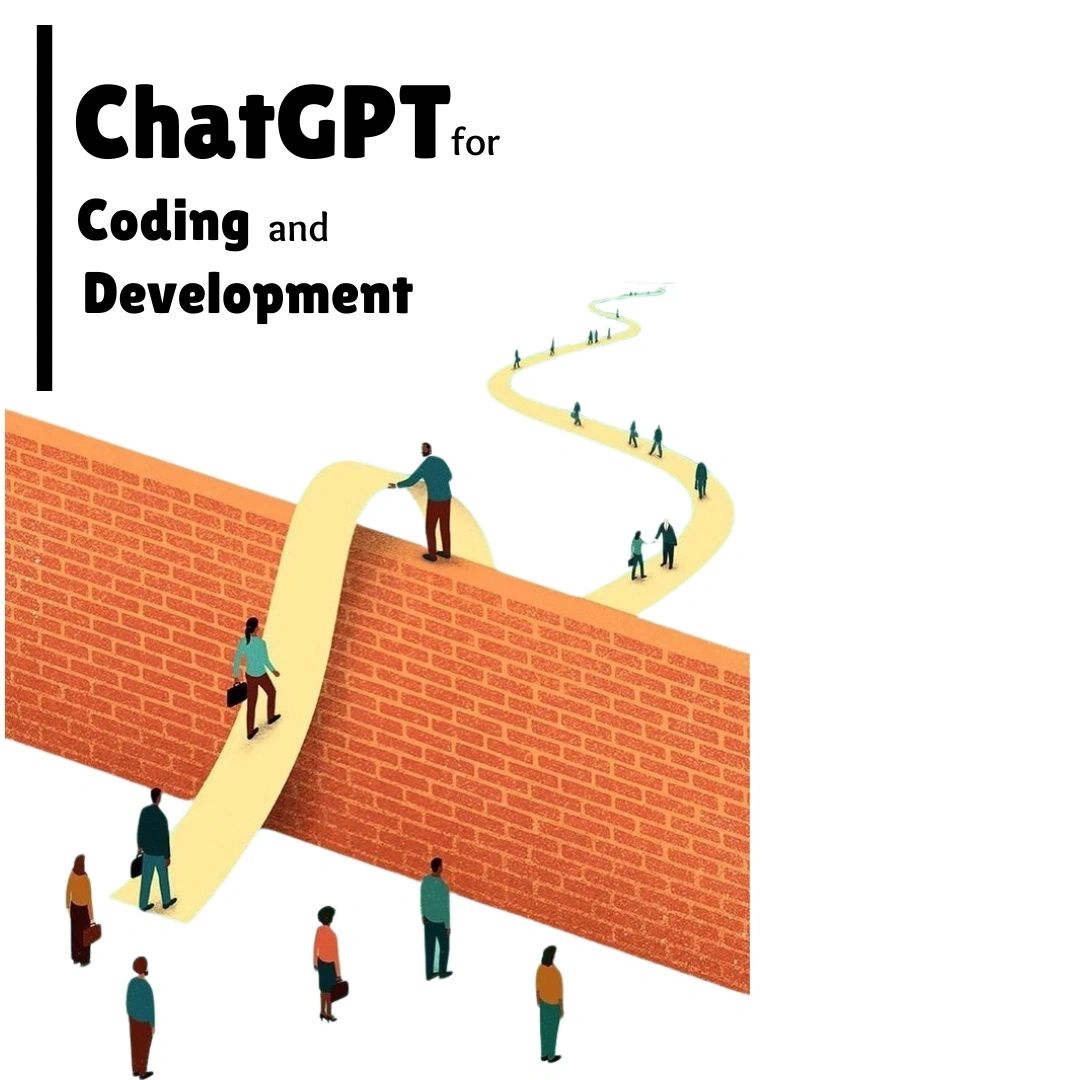
There are several AI tools like ChatGPT that are specifically tailored for coding assistance. Apart from GitHub Copilot, tools like Tabnine and Kite provide AI-driven code completions and suggestions. These tools help developers write code faster, catch errors, and improve overall productivity. ChatGPT itself can be used as a coding assistant by generating code snippets, explaining programming concepts, and helping with debugging.
ChatGPT with Images
Recently, OpenAI introduced the ability for ChatGPT to interpret and analyze images, expanding its functionality beyond text. This feature enables users to interact with images, ask questions about them, and even receive descriptions of complex visual content. The combination of text and image interpretation further enhances the versatility of ChatGPT, making it a tool not just for text-based interactions but also for multimedia content.
In conclusion, ChatGPT continues to evolve and adapt to various needs in the AI landscape. Its broad functionality, from coding to content creation to AI education, and its integration with platforms like Microsoft, have cemented its role as a leading generative AI tool. As new competitors like Gemini and Copilot emerge, the competition drives innovation, ensuring that tools like ChatGPT continue to grow in their capabilities and applications.