
Cloud Sustainability: A Key Focus Amid Rising AI Workload Demands
As artificial intelligence (AI) continues revolutionizing industries, the infrastructure needed to support these innovations is growing exponentially. From training large language models to running real-time analytics, AI workloads are computationally intensive and energy-hungry. This rising demand for processing power has led to a corresponding increase in energy consumption, prompting businesses to seek sustainable solutions.
For organizations prioritizing environmental responsibility, cloud computing has emerged as a key enabler of sustainability. Cloud providers, especially those with eco-friendly data centers and innovative workload optimization tools, are now at the forefront of reducing the carbon footprint associated with advanced AI operations.
The Environmental Impact of AI Workloads
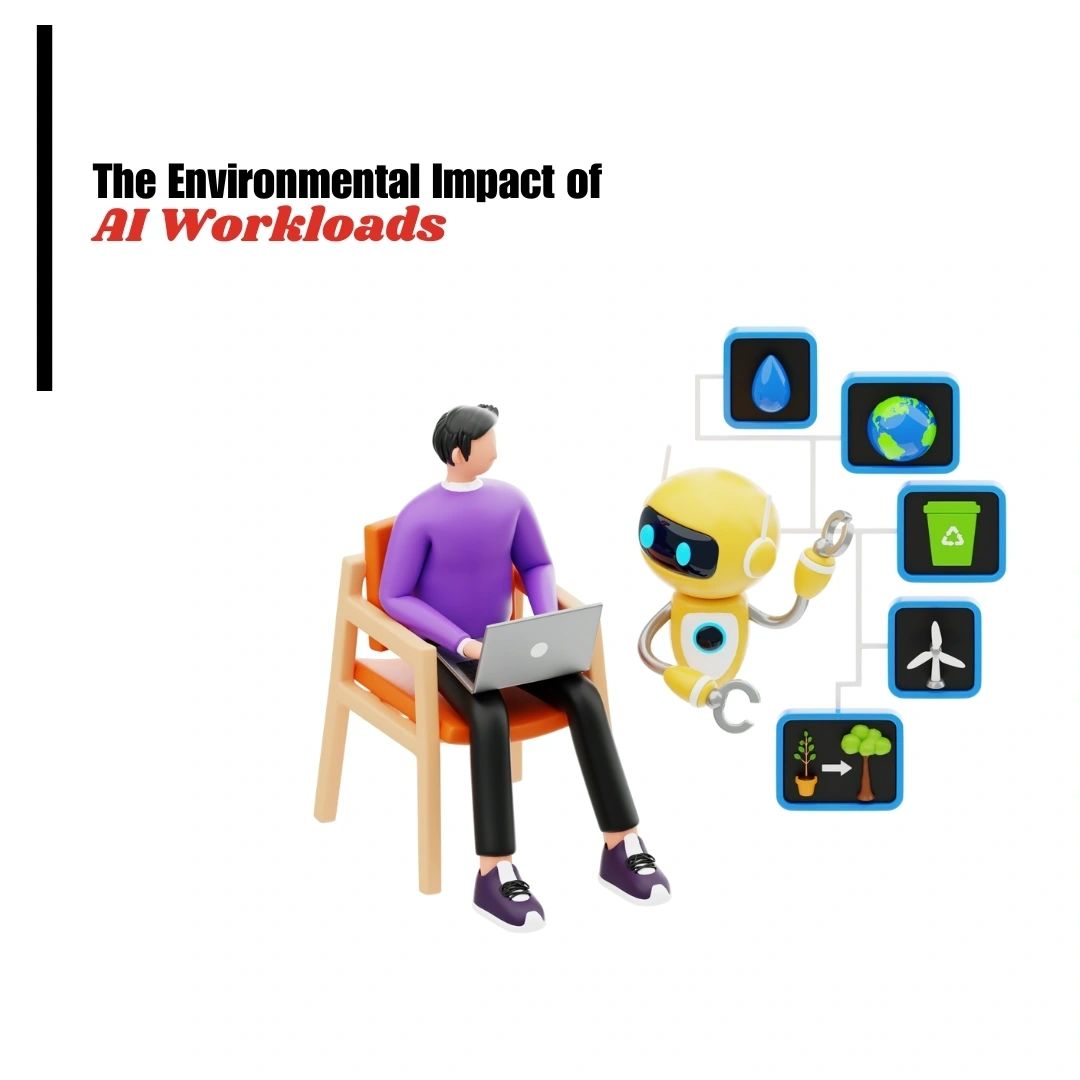
AI workloads require significant computational resources, particularly during the training phase of machine learning models. This process involves analyzing vast datasets and performing millions of calculations, often running on GPUs or TPUs (tensor processing units) optimized for high performance. While this ensures rapid processing and high accuracy, the trade-off is high energy consumption.
A 2019 study from the University of Massachusetts Amherst found that training a single deep-learning model could emit as much carbon as five cars over their lifetime. Since then, AI models have only grown larger and more complex, exacerbating the energy demands.
Companies and Cloud
Many businesses are shifting their AI workloads to cloud platforms for scalability, flexibility, and cost-effectiveness. However, sustainability has become a critical factor in choosing the right provider. Cloud providers can offer substantial environmental benefits compared to on-premises data centers:
1. Energy Efficiency: Large-scale data centers operated by cloud providers use advanced cooling systems, power management strategies, and energy-efficient hardware to minimize waste.
2. Shared Resources: The cloud enables resource sharing through virtualization, ensuring higher utilization rates and reducing the need for redundant infrastructure.
3. Renewable Energy Integration: Leading cloud providers invest heavily in renewable energy to power their operations. By leveraging green energy, businesses using these platforms indirectly lower their carbon footprint.
Eco-Friendly Cloud Providers

Cloud giants like Microsoft Azure, Amazon Web Services (AWS), and Google Cloud are leading the charge in sustainability. These companies are building and operating data centers designed to minimize environmental impact while maximizing performance.
• Microsoft Azure: Committed to being carbon-negative by 2030, Azure uses AI-driven energy monitoring and workload optimization. It also purchases renewable energy credits to offset its carbon footprint.
• Google Cloud: Google has been carbon-neutral since 2007 and aims to run entirely on carbon-free energy by 2030. Its data centers use custom-designed cooling systems and smart energy management tools to improve efficiency.
• Amazon Web Services (AWS): AWS has pledged to power its global operations with 100% renewable energy by 2025. Its customers also benefit from tools like the AWS Carbon Footprint Tool, which provides insights into the environmental impact of their workloads.
Optimizing Workload Placement
Sustainability in cloud computing goes beyond using eco-friendly providers. Businesses are now leveraging tools that optimize workload placement to further reduce their energy consumption and emissions. For instance, some cloud platforms offer intelligent workload schedulers that distribute tasks to data centers with surplus renewable energy or lower energy costs.
Additionally, tools like sustainable AI frameworks allow developers to design and deploy models with energy efficiency in mind. By tweaking algorithmic structures or training methodologies, organizations can minimize energy usage without compromising performance.
What Now?
The push for sustainability in the cloud is not just a trend—it is a necessity. Governments worldwide are introducing stricter carbon emission regulations, and consumers are increasingly favoring environmentally conscious brands. For businesses, adopting sustainable cloud solutions is not just about reducing emissions; it’s also about staying competitive and aligning with global sustainability goals.
In the coming years, advancements in green computing technologies are likely to drive further innovation. Technologies like liquid cooling, AI-driven energy management, and even quantum computing could drastically reduce the environmental impact of cloud operations. Simultaneously, greater transparency through carbon reporting tools will help businesses better understand and address their ecological footprints.
As the demand for AI workloads continues to surge, businesses must balance innovation with sustainability. Choosing cloud providers that prioritize eco-friendly practices and leveraging tools to optimize workload placement are critical steps in this journey. By doing so, organizations can not only meet their operational needs but also contribute to a greener, more sustainable future.
Cloud sustainability isn’t just good for the planet—it’s also good for business, building resilience and trust in a world increasingly focused on environmental responsibility.