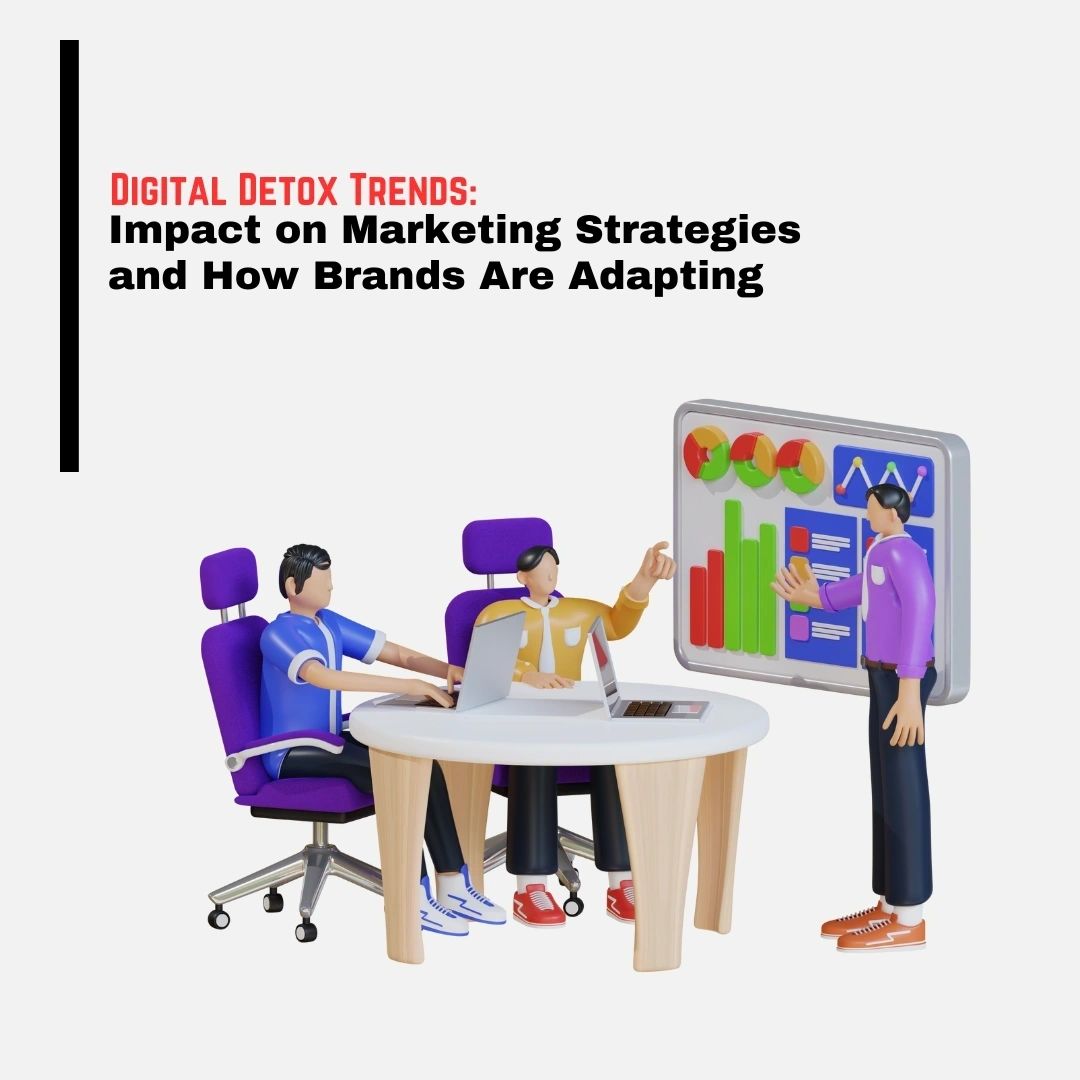
Digital Detox Trends: Impact on Marketing & Brand Adaptation
In an era dominated by technology, the rise of digital detox trends signals a significant cultural shift. Digital detoxes—periods of intentional disconnection from digital devices—have gained momentum as people prioritize mental health, real-world connections, and productivity. As consumers increasingly seek to unplug, brands are rethinking their marketing strategies to stay relevant in a less-connected world.
The Rise of Digital Detox Trends
Growing concerns about screen addiction, information overload, and the impact of constant connectivity on mental well-being have fueled the digital detox movement. Reports suggest that many individuals intentionally reduce their online presence by turning off notifications, scheduling phone-free hours, or taking extended breaks from social media. Concepts like “mindful tech use” and “slow living” have emerged, encouraging consumers to balance their digital and physical lives.
This cultural trend is evident in the popularity of apps like Forest and Offtime, designed to help users limit screen time, as well as the increasing demand for retreats and vacations marketed as “screen-free” experiences. Digital detoxes are no longer niche; they represent a mainstream movement that is reshaping consumer behavior.
Impact on Marketing Strategies

The rise of digital detox trends poses challenges for marketers who rely heavily on digital platforms to engage audiences. As consumers scale back their online presence, traditional marketing tactics—such as constant push notifications, targeted ads, and algorithm-based campaigns—risk becoming ineffective. In response, brands are pivoting to adapt to these changes.
1. Prioritizing Quality Over Quantity
Brands are recognizing that constant bombardment with ads and content can alienate users. Instead, they are focusing on creating high-quality, meaningful interactions that resonate with audiences. Thoughtful storytelling, emotional engagement, and value-driven content are becoming central to marketing efforts.
2. Investing in Offline Marketing
As consumers disconnect from digital devices, offline marketing channels are regaining importance. Experiential marketing, such as pop-up events, community workshops, and interactive installations, allows brands to engage with audiences tangibly. Partnerships with local businesses and sponsorships for in-person events also help brands maintain visibility in an increasingly disconnected world.
3. Encouraging Mindful Consumption
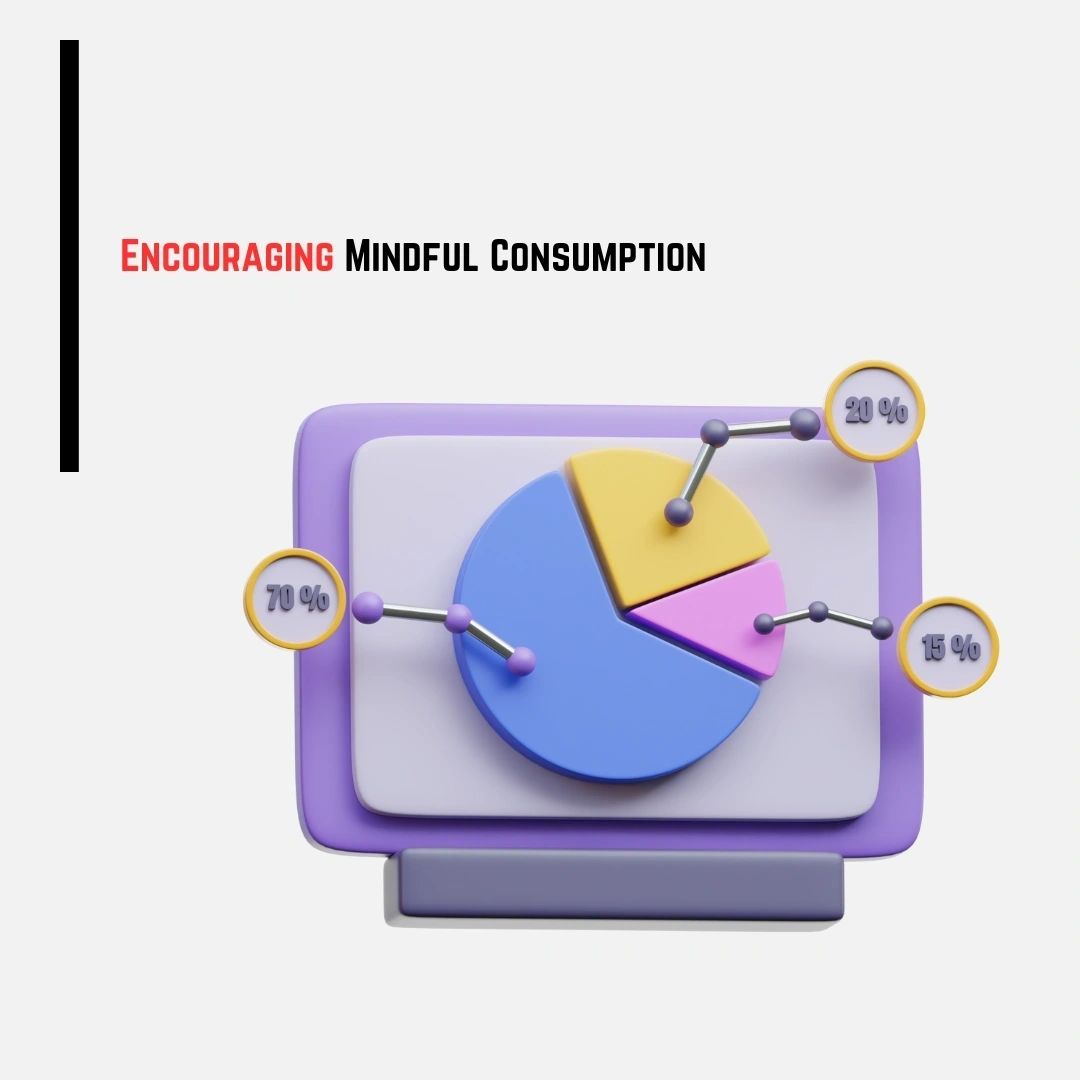
Savvy marketers are aligning with the digital detox ethos by promoting mindful tech use. For example, wellness apps and platforms that encourage breaks from screens are integrating brand collaborations. Campaigns that emphasize balance and well-being, rather than constant engagement, are resonating with audiences seeking a healthier relationship with technology.
4. Focusing on Print and Physical Media
Print media once thought to be on the decline, is experiencing a resurgence as a result of digital fatigue. Magazines, brochures, and direct mail campaigns are being used strategically to connect with audiences who prefer offline engagement.
5. Creating Asynchronous Content

Digital detox trends don’t mean consumers are completely disconnected; rather, they’re using technology more intentionally. Brands are adapting by offering asynchronous content—such as podcasts, downloadable guides, and email newsletters—that consumers can engage with at their own pace. This allows brands to remain part of the conversation without demanding constant attention.
Opportunities for Brands
Digital detox trends offer an opportunity for brands to build trust and loyalty by demonstrating empathy and understanding of their audience’s needs. By acknowledging the challenges of digital overload and aligning their messaging with wellness and balance, brands can position themselves as allies in the movement for healthier living.
Challenges to Consider
Marketers must strike a delicate balance between staying connected to consumers and respecting their desire for disconnection. Overly intrusive tactics or failing to adapt to changing behaviors could result in brand fatigue or loss of relevance.
The digital detox movement is reshaping the marketing landscape, challenging brands to innovate and adapt. By focusing on meaningful interactions, investing in offline channels, and embracing the ethos of mindful consumption, brands can not only remain relevant but also deepen their connection with audiences. As digital detox trends continue to grow, the most successful brands will be those that evolve with their customers, demonstrating flexibility, empathy, and a commitment to holistic well-being.