Transforming Digital Marketing with Automation
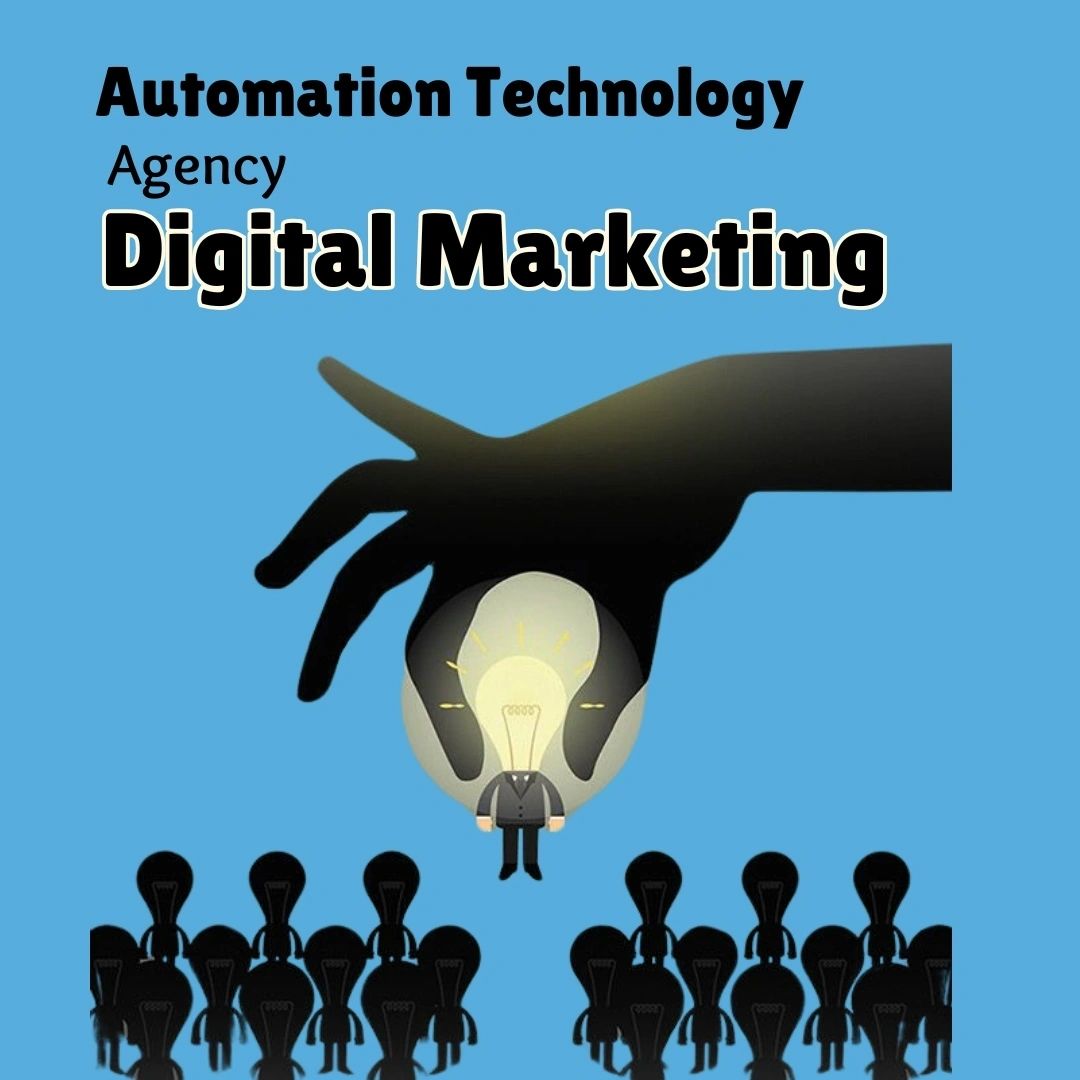
In today’s digitally fast world, automation technology is no longer just a buzzword; it’s a crucial component in the toolkit of any forward-thinking digital marketing agency. From streamlining repetitive tasks to enhancing client relationships, automation technology is transforming how we operate. This article delves into how automation technology revolutionizes digital marketing agencies, offering them a competitive edge in a saturated market.
The Evolution of Digital Marketing Agencies
Over the last two decades, digital marketing has undergone a remarkable transformation. What started as simple email campaigns and banner ads has grown into a complex ecosystem encompassing social media, search engine optimization (SEO), content marketing, and more. With this growth has come the need for more efficient and effective tools to manage the increasing complexity.
Automation tools are designed to handle repetitive tasks, analyze vast amounts of data, and even personalize customer experiences, all of which are critical in today’s marketing environment. By adopting automation technology, digital marketing agencies can focus more on strategy and creativity, leaving the mundane tasks to the machines.
Streamlining Operations with Automation
One of the primary benefits of automation technology for digital marketing agencies is the ability to streamline operations. Automation tools can manage tasks such as email marketing, social media posting, lead generation, and customer segmentation with minimal human intervention. This not only saves time but also reduces the potential for human error, leading to more consistent and reliable outcomes.
For instance, consider email marketing, one of the oldest forms of digital marketing that continues to deliver a high return on investment (ROI). Automation technology allows agencies to set up email sequences that are triggered by specific actions, such as signing up for a newsletter or making a purchase. These sequences can be personalized based on the recipient’s behavior, increasing the likelihood of engagement and conversion.
Social media management is another area where automation has made a significant impact. Tools like Hootsuite or Buffer enable agencies to schedule posts across multiple platforms, monitor engagement, and even track the performance of campaigns in real time. This level of control and efficiency would be impossible to achieve manually, especially for agencies managing multiple clients.
Enhancing Client Relationships
Client relationships are at the heart of any successful digital marketing agency. Automation technology can help agencies improve these relationships by providing better service, faster responses, and more personalized experiences.
Customer Relationship Management (CRM) systems, powered by automation, are a perfect example. These systems can automatically track and record every interaction a client has with the agency, from emails to phone calls to social media messages. This data is invaluable for understanding the client’s needs, preferences, and pain points, allowing the agency to tailor its services accordingly.
Moreover, CRM systems can automate follow-ups and reminders, ensuring that no client is ever forgotten. This kind of proactive service not only strengthens client relationships but also enhances the agency’s reputation.
Data-Driven Decision Making

In the digital age, data is king. The ability to collect, analyze, and act on data is what separates successful agencies from the rest. Automation technology plays a crucial role in this process by providing tools that can sift through mountains of data to uncover insights that would be impossible to find manually.
For example, Google Analytics is a powerful tool that, when integrated with automation, can provide real-time insights into how a website is performing, which marketing channels are driving the most traffic, and identify areas with potential for improvement. By automating the analysis process, agencies can quickly identify trends, optimize campaigns on the fly, and deliver better results for their clients.
Automation can also be applied to A/B testing, a critical component of any data-driven marketing strategy. Automation tools can set up, run, and analyze A/B tests at scale, allowing agencies to determine which variations of a campaign perform best.
Personalization at Scale
Personalization is key to effective digital marketing, but achieving it at scale can be challenging. Automation technology solves this problem by enabling agencies to deliver personalized experiences to large audiences without sacrificing quality.
Through tools like HubSpot or Marketo, agencies can create personalized content, emails, and advertisements that are tailored to individual users based on their behavior, preferences, and demographics. These tools can track user interactions across various touchpoints, creating a comprehensive profile that can be used to deliver highly targeted marketing messages.
For instance, if a user frequently visits a website’s product page but hasn’t made a purchase, automation tools can trigger a personalized email offering a discount on that product. This kind of targeted approach not only increases the likelihood of conversion but also enhances the user’s experience with the brand.
Challenges and Considerations

While the benefits of automation technology are clear, digital marketing agencies need to approach its implementation with caution. Automation should enhance, not replace, human creativity and intuition. Agencies must ensure that their automated processes are aligned with their overall strategy and that they maintain a human touch where it matters most.
Moreover, with the increasing reliance on automation comes the need for robust cybersecurity measures. Agencies must protect their data and that of their clients from breaches, ensuring that their automation tools are secure and compliant with regulations like GDPR.
Automation technology is reshaping the landscape of digital marketing, offering agencies the tools they need to stay competitive in an increasingly complex environment. By streamlining operations, enhancing client relationships, enabling data-driven decision-making, and allowing for personalization at scale, automation is revolutionizing the way digital marketing agencies operate. However, as with any powerful tool, it must be used thoughtfully and strategically to maximize its benefits and minimize potential risks. For agencies that can strike this balance, the future is bright.